
1031 Tax-Deferred Exchanges on the Gulf Coast, Plus the Delaware Statutory Trust Explained
_(800_x_150_px)_(2).gif)

When investors ask me about buying and selling along the Gulf Coast, the conversation often turns to one powerful tool: the 1031 tax-deferred exchange. Used correctly, it can help you reposition equity from one investment property into another while deferring capital gains taxes. A newer term many people are seeing online is “Delaware Statutory Trust,” and it is directly connected to 1031 strategy for investors who want more passive ownership.
“A 1031 exchange is not about gaming the system. It is about making a thoughtful, rules-based move from one investment asset to another, with intention and timing that stays pitch-perfect.”
Quick Navigation
- What is a 1031 tax-deferred exchange
- Why the Gulf Coast is a natural fit for 1031 planning
- The 45-day and 180-day timeline, in plain English
- Core rules investors commonly miss
- What is a Delaware Statutory Trust (DST)
- DST pros, cons, and who it can serve well
- Practical next steps if you are considering an exchange
What is a 1031 tax-deferred exchange
A 1031 exchange (named after Section 1031 of the Internal Revenue Code) is a transaction structure that may allow you to sell investment or business real estate and reinvest the proceeds into other “like-kind” investment or business real estate, while deferring certain capital gains taxes. The concept is simple. The execution is detail-heavy.
This article is for general educational purposes only and is not tax or legal advice. Always consult a qualified CPA, tax attorney, and a 1031 qualified intermediary before acting.
Why the Gulf Coast is a natural fit for 1031 planning
The Gulf Coast has a notable mix of investment opportunities, from waterfront condos and small multifamily properties to retail, office, and long-term rental homes. Investors often use 1031 exchanges here for three reasons: lifestyle demand, limited coastal inventory, and the ability to move equity into a property that better matches their respective goals (cash flow, appreciation, lower maintenance, or a different location).
I help buyers and sellers across coastal Alabama and Florida, and many searches start on my site at https://www.searchthegulf.com/. For local market research, you can browse:
Orange Beach — https://www.searchthegulf.com/orange-beach/
Gulf Shores — https://www.searchthegulf.com/gulf-shores/
Ono Island — https://www.searchthegulf.com/ono-island/
Common Gulf Coast exchange goals
- Exchange out of a management-heavy property into something easier to own
- Consolidate several smaller rentals into one higher-quality asset
- Move from inland to waterfront, or from older to newer construction
- Shift from vacation-market volatility into long-term rental stability
- Transition toward passive ownership while still staying in real estate
Gulf Coast reality checks to plan for
- Insurance and storm readiness can materially affect net returns
- HOA rules and rental minimums matter in many coastal communities
- Dockage and boating amenities can influence value for waterfront assets
- Condition, elevation, and repairs should be evaluated early
- Inventory can be tight, so backup options help
The 45-day and 180-day timeline, in plain English
The timeline is where most 1031 exchanges either stay clean or fall apart.
Two key deadlines
- 45 days: After closing your sale, you typically have 45 days to identify potential replacement properties in writing, following specific IRS identification rules.
- 180 days: You typically have 180 days from the sale closing to complete the purchase of the replacement property (or properties), again following the exchange rules.
These time frames are strict in many cases. Your qualified intermediary and tax advisor should confirm how the deadlines apply to your specific situation.
Core rules investors commonly miss
A neighbor once put it perfectly: “It’s not the big idea that gets people. It’s the small rules that sneak up.” That is why I like to keep the essentials visible from the start.
Conceptual rules
- Typically, both the sold property and the replacement property must be held for investment or business use
- “Like-kind” generally refers to real property held for investment or business, not necessarily the same property type
- To fully defer, investors often aim to buy replacement property of equal or greater value and reinvest net proceeds
Practical rules
- You generally cannot take possession of the sale proceeds. A qualified intermediary typically holds them
- Debt replacement matters. If you reduce debt, you may need to add cash to avoid taxable “boot”
- Title matters. The same taxpayer entity typically needs to sell and buy, subject to your advisor’s guidance
If you are investing in coastal communities with rental restrictions, confirm whether your intended use fits the applicable rules. For example, some areas near Ono Island and Bear Point prohibit short-term rentals, which can be a positive for homeowners who prefer a more consistent residential atmosphere, but it changes the math for certain investment strategies.

What is a Delaware Statutory Trust (DST)
A Delaware Statutory Trust, often shortened to DST, is a legal structure that can hold title to one or more investment properties. Investors purchase beneficial interests in the trust, rather than buying the entire property directly. In many cases, DST interests can be used as replacement property in a 1031 exchange, which is why people researching 1031 strategies frequently run into this term.
DST, in plain English
- What it is: A trust entity (formed under Delaware law) that owns real estate
- What you buy: A fractional beneficial interest in that trust
- Why it is used: It can provide more passive, “hands-off” ownership for investors who still want real estate exposure
- How it connects to 1031: Some investors use a DST interest as the replacement property option to complete an exchange
“DSTs can be a bridge between owning real estate and not wanting to manage real estate, especially when an exchange clock is ticking.”
DST pros, cons, and who it can serve well
Potential advantages
- Passive ownership feel, with professional management in many structures
- Can help satisfy exchange deadlines when direct inventory is tight
- Fractional investment can help diversify across multiple properties
- Often offers access to larger institutional-grade assets
Potential disadvantages
- Less control over decisions, renovations, leasing, and timing
- Liquidity is typically limited compared to selling a property you own outright
- Fees, financing structure, and sponsor quality vary, so diligence is essential
- May not match investors who want hands-on value-add strategy
The investors who tend to appreciate a DST most are those who want balance. They still want real estate, but they want fewer moving parts. It can be a strong fit when someone is trading out of a management-heavy property or when the exchange timeline is narrow.
Practical next steps if you are considering an exchange
A checklist I recommend starting with
- Talk with your CPA or tax attorney first to confirm whether a 1031 fits your situation
- Choose a qualified intermediary before your sale closes
- Define your target outcome: cash flow, appreciation, lower maintenance, or a different market
- Build a replacement-property short list early, including backups
- Verify coastal due diligence items early: insurance, HOA rules, condition, elevation, and rental restrictions
- If considering a DST, review sponsor materials carefully with your advisors
Want to explore Gulf Coast replacement property options with a 1031 lens
I live on Ono Island and specialize in Ono Island real estate, and I also help investors across the Gulf Coast map out practical replacement options that align with their timeline and goals. Call or Text me and tell me what you sold, your ideal replacement type, and your 45-day identification deadline.
Call or Text Meredith on her direct line. 970/389.2905
Meredith Folger Amon is a Gulf Coast Expert Real Estate Advisor, licensed in Alabama and Florida. She specializes in helping buyers and sellers navigate the buying and selling of homes along the Gulf Coast.
To start browsing inventory in the areas I cover most often, you can search here:
https://www.searchthegulf.com/
Back to Top
#searchthegulf #meredithamon #becausewelivehere
Search Coastal Alabama Homes and Real Estate For Sale
- All Listings
- Under $100,000
- $100,000 - $200,000
- $200,000 - $300,000
- $300,000 - $400,000
- $400,000 - $500,000
- $500,000 - $600,000
- $600,000 - $700,000
- $700,000 - $800,000
- $800,000 - $900,000
- $900,000 - $1,000,000
- Over $1,000,000



.gif)

2026 MBGFC Labor Day Invitational | Orange Beach | Search The Gulf
Orange Beach · Boating Lifestyle
The 2026 MBGFC Labor Day Invitational: Celebrating Orange Beach’s Fishing and Boating Community
Thirty-eight teams, 222 anglers, 186 catches—and a Labor Day weekend that felt like one coastal family at the dock.
Explore Orange Beach Perdido Pass
On this…

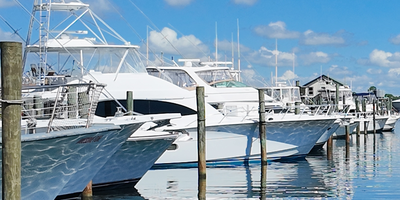
Cotton Bayou Marina Boats | Orange Beach Near Terry Cove

Orange Beach and Ono Island Real Estate Update September
Ask A Question or Sign Up To See New Real Estate Listings Before Your Competition
When it comes to finding the home of your dreams in a fast-paced market, knowing about new listings as soon as they are available is part of our competitive advantage.Sign up to see new listings in an area or specific community. Contact Meredith with any questions you may have.
<!-- End Constant Contact Active Forms
Posted by Meredith Folger Amon onEnjoy this blog post? Click here to subscribe for updates
Leave A Comment