
A Gulf Coast Guide to Energy-Efficient Insulation for Homes in Orange Beach and Ono Island
_(800_x_150_px)_(2).gif)
When I walk through a home on the Gulf Coast, I do not just look at finishes, floor plans, or curb appeal. I also pay close attention to how that home may perform in our climate. In Orange Beach, Ono Island, and throughout our coastal market, heat, humidity, salt air, and long cooling seasons can put real pressure on a home. That is why insulation matters so much.
One of the biggest misconceptions I hear is that the “best insulation” is simply the product with the highest R-value. In reality, the most energy-efficient Gulf Coast home usually has the best overall system: tight air sealing, the right insulation in the right location, good duct performance, solid humidity control, and an HVAC system that is sized and installed properly.
On the Gulf Coast, the best insulation strategy is not just about adding more. It is about creating a home that is tighter, drier, cooler, and more comfortable year-round.
Why Insulation Matters Differently on the Gulf Coast
Here on the coast, we are usually fighting heat gain and moisture more than winter cold. A house can have decent insulation and still feel inefficient if humid air is leaking in, if ductwork is losing conditioned air in a hot attic, or if the HVAC system is not removing enough moisture. That is why I always encourage homeowners and buyers to think beyond the insulation label alone.
In my view, a well-performing home in our area should feel consistently comfortable, avoid that clammy indoor feeling, keep cooling costs more manageable, and protect the long-term durability of the structure.
What I Look for in an Energy-Efficient Gulf Coast Home
- A well-sealed attic access hatch or pull-down stair
- Even, properly installed insulation with no obvious bare spots or compression
- Minimal gaps around plumbing penetrations, wiring, can lights, and bath fans
- Ductwork that appears sealed, supported properly, and not kinked or disconnected
- HVAC equipment that seems appropriate for the home and climate
- Low signs of indoor moisture issues, such as staining, mildew odor, or condensation
- Quality windows and doors with solid weatherstripping
- A crawlspace or attic that is not obviously damp, musty, or poorly ventilated
My Recommendations for the Most Efficient Insulation Approach
1. Air sealing comes first
If I could only improve one thing before adding more insulation, I would usually start with air sealing. This means closing up the gaps and leaks where outside air sneaks in and conditioned air escapes. On the Gulf Coast, uncontrolled air leakage often brings in humidity too, which makes a home feel less comfortable and can increase the burden on the HVAC system.
Common problem areas include attic penetrations, top plates, attic stairs, recessed lights, plumbing and wiring openings, door thresholds, and window perimeters.
2. Focus heavily on the attic
For many homes in our market, the attic is one of the biggest opportunities for improvement. If the home has a traditional vented attic, I generally like to see a properly air-sealed attic floor with sufficient blown insulation or well-installed batt insulation above the ceiling plane. If the HVAC system or ductwork is in the attic, the attic strategy becomes even more important.
What I want to avoid is an attic that has “some insulation” but still allows heat and humidity to work their way into the home because leaks, gaps, and duct issues were never addressed.
3. Pay attention to ducts, not just insulation
This is a big one on the Gulf Coast. A home can have respectable insulation levels and still lose efficiency if the ductwork is leaking in a hot attic or crawlspace. I always tell people that duct performance is part of the insulation conversation. Sealed ducts, proper duct insulation, and good installation quality can make a major difference in real-world comfort and utility bills.
4. Wall insulation matters, but timing matters too
Wall upgrades are often most practical when siding is being replaced or during a major remodel. For an older home, it can be worth exploring whether wall cavities are insulated at all. For newer homes, the next level of performance often comes from better air sealing and reducing thermal bridging, not just stuffing more material inside the wall cavity.
5. Moisture control is part of efficiency
On the Gulf Coast, comfort and efficiency are tied closely to humidity control. A home that feels cool but damp is not truly performing well. I like homes that pair insulation improvements with smart HVAC choices, good ventilation, and proper moisture management in attics, crawlspaces, and living spaces.

What to Look For Before You Improve Anything
If I were advising a buyer, homeowner, or seller in Orange Beach or on Ono Island, I would suggest starting with a checklist like this:
- Check the attic for uneven insulation, compressed batts, or thin coverage
- Look for darkened insulation that may suggest air movement or dust being pulled through leaks
- Inspect attic hatches and pull-down stairs for gaps and missing weatherstripping
- Look for disconnected, crushed, or loosely hanging ductwork
- Check around can lights, bath fan housings, and penetrations for visible air leaks
- Notice whether the house feels humid or clammy even when the thermostat is set low
- Look for mildew odors, staining, or condensation in attics, closets, utility rooms, or crawlspaces
- Ask the age and efficiency rating of the HVAC system
- Ask whether the home has ever had an energy audit, blower door test, or duct leakage test
- Review the windows and exterior doors for age, seal quality, and weatherstripping condition
_(800_x_150_px).gif)
How I Would Improve an Existing Gulf Coast Home
If a homeowner asked me where to begin, this would be my order of attack:
- Get an energy audit. A good audit can help identify where the home is losing performance instead of guessing.
- Air-seal first. Seal the major leaks before adding insulation.
- Address duct leakage and duct insulation. This can be one of the most overlooked opportunities.
- Top off attic insulation if needed. Once leaks are sealed, adding insulation where it is lacking can be worthwhile.
- Improve humidity control. This may involve HVAC tuning, better ventilation, or dehumidification strategies.
- Upgrade windows, doors, or wall assemblies over time. These can be phased improvements if a full renovation is not planned right away.
Red Flags I Would Not Ignore
- A very hot attic with HVAC equipment and visibly leaky ductwork
- A home that never seems to dry out indoors
- Musty smells in closets, attics, or crawlspaces
- Ice-cold supply air but poor overall comfort
- Insulation that is patchy, falling down, or obviously incomplete
- Older windows and doors with failed seals and air leakage
- Evidence that insulation was added without addressing air leaks first
My Final Thoughts for Orange Beach and Ono Island
In my opinion, the most efficient homes on the Gulf Coast are not necessarily the ones with the most insulation. They are the homes where the insulation, air sealing, ductwork, HVAC design, and moisture control all work together. That is especially important in coastal communities like Orange Beach and Ono Island, where our climate demands more from a house year-round.
If you are buying, selling, building, or improving a home and want to think through how a property may perform over time, I would be glad to help you look at it through both a real estate lens and a practical Gulf Coast living lens. For more local insight, property searches, and coastal real estate guidance, visit SearchTheGulf.com.
If this guide was helpful, drop me a quick note. I am always glad to help people better understand what makes a Gulf Coast home more comfortable, more durable, and more efficient.
Call or Text Meredith:
Call or Text Meredith on her direct line. 970/389.2905
SEARCH ORANGE BEACH REAL ESTATE LISTINGS FOR SALE
- All Listings
- $100,000 - $200,000
- $200,000 - $300,000
- $300,000 - $400,000
- $400,000 - $500,000
- $500,000 - $600,000
- $600,000 - $700,000
- $700,000 - $800,000
- $800,000 - $900,000
- $900,000 - $1,000,000
- Over $1,000,000




Ono Island Homes & Land for Sale – Luxury Waterfront Real Estate in Orange Beach Alabama



.gif)

Storm Prep on Ono Island — Watching Tropical Weather for Friday | Search The Gulf
Ono Island
Storm Prep on Ono Island — Watching Tropical Weather for Friday
A tropical system could reach the coast this Friday. Nothing is locked in yet—and on Ono, we do not wait for a last-minute scramble.
Ono Landing Launch vs Dock
On this page
Watching Friday’s weather
Boat launch…

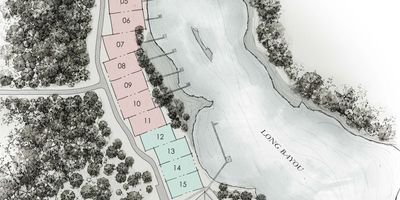
Long Bayou Preserve Orange Beach: New Site Plan & Update
Ask A Question or Sign Up To See New Real Estate Listings Before Your Competition
When it comes to finding the home of your dreams in a fast-paced market, knowing about new listings as soon as they are available is part of our competitive advantage.Sign up to see new listings in an area or specific community. Contact Meredith with any questions you may have.
Enjoy this blog post? Click here to subscribe for updates
Leave A Comment