
Investor Guide | 1031 + New Construction
Can New Construction Homes and Condos Qualify for a 1031 Exchange in 2026, and When Does the CO Matter
_(800_x_150_px)_(2).gif)

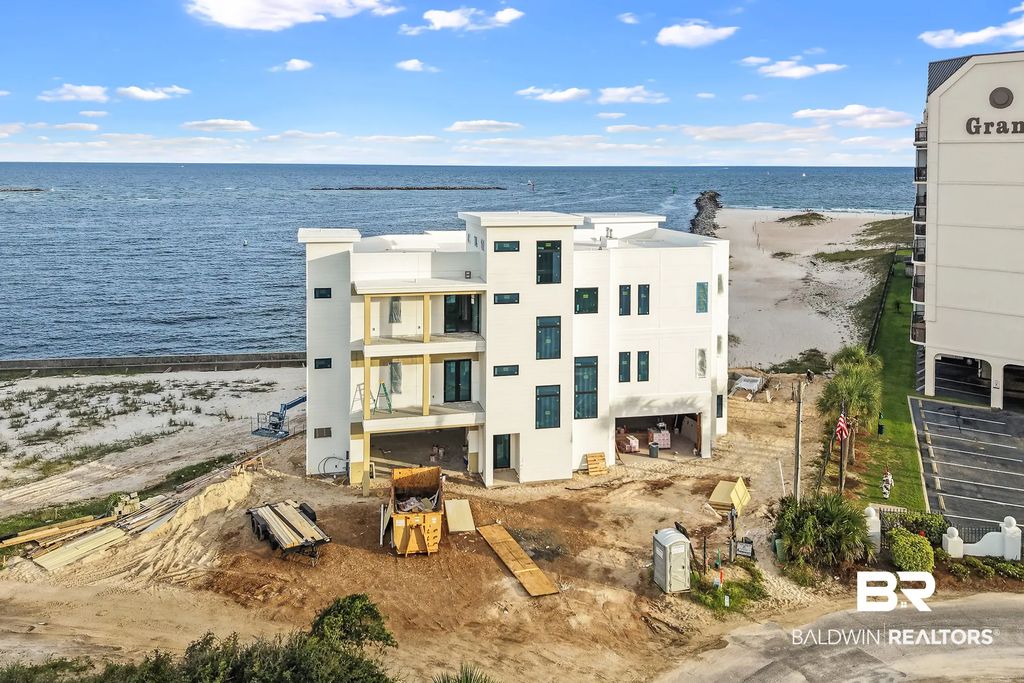
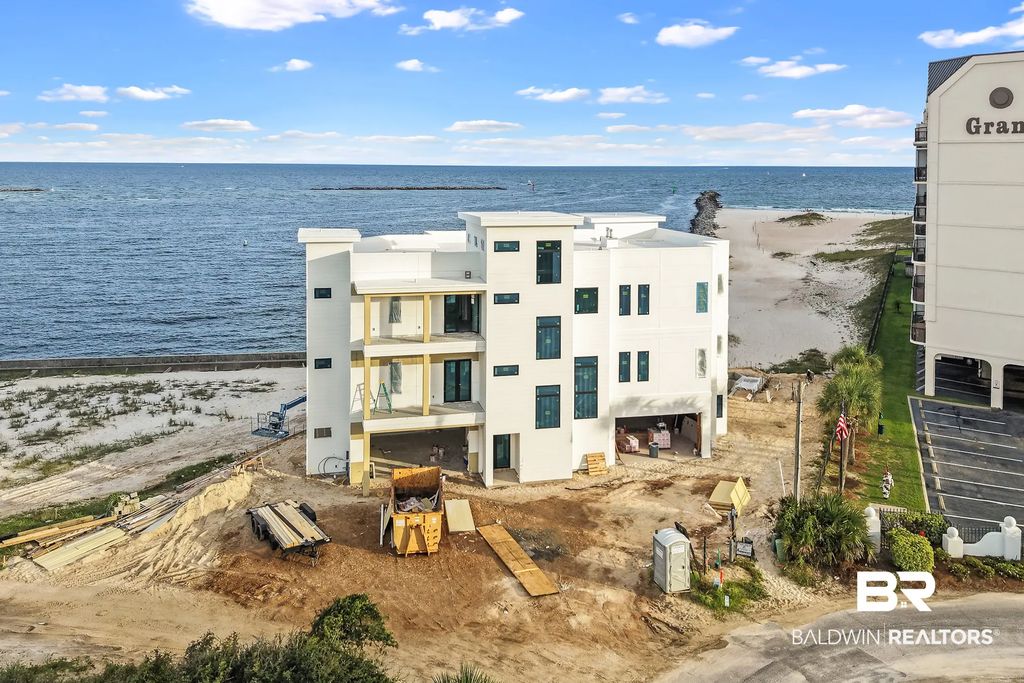
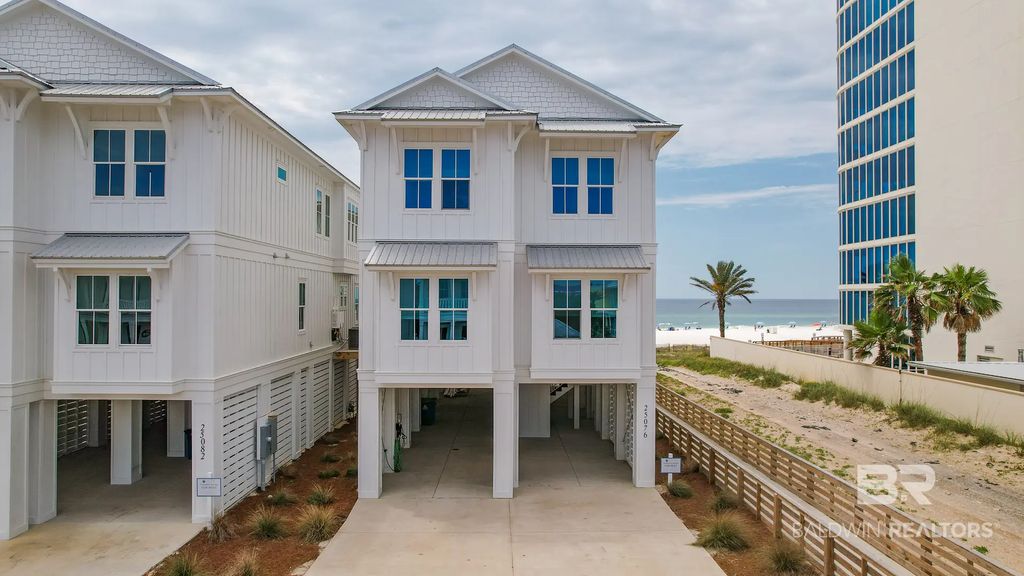
On the Gulf Coast, new construction has a particular pull. A clean elevation, fresh systems, modern building standards, and finishes chosen with intention. I see investors drawn to new builds in Orange Beach and near Ono Island, especially when they are thinking long-term holds and want a lower-maintenance path to ownership.
The question I hear most in that moment is direct: can a brand-new home or a new condo qualify as replacement property in a 1031 tax-deferred exchange, and does the certificate of occupancy (CO) have to be issued for it to “count.”
“New construction can be exchange property. The real issue is whether you can receive it in time.”
The practical truth behind most 1031 conversations involving builders and pre-construction condos
Quick answer: yes, new construction can qualify
Yes. New construction homes and condos can qualify for a 1031 exchange as long as the real estate is held for investment or business purposes and you follow the 1031 rules and deadlines.
1031 treatment is for real property held for business or investment (not a personal-use home). The “why you own it” matters as much as what it is.
The deadlines that control your new-construction plan
New construction is not disqualified by being new. It is disqualified by missing the clock. In a delayed exchange, you generally have:
- 45 days to identify the replacement property after you transfer the relinquished property
- 180 days to receive the replacement property (or earlier if your tax return due date arrives first, unless extended)
That “receive” language is the hinge. If the home or condo will not be conveyed to you by the end of the exchange period, it cannot serve as your replacement property in a standard delayed exchange.
Three ways investors exchange into new construction
| Scenario | Can it work for 1031 | Where the CO tends to matter |
|---|---|---|
| 1) Completed new construction Home or condo is finished and ready to close |
Yes, most straightforward You close and take title within the 180-day window. |
CO is often already issued, which makes closing and immediate use much cleaner. |
| 2) Under-construction, but you can still close in time Structure exists, but it may not be fully finished |
Sometimes You can only exchange into what you actually receive by day 180. Anything not in place by the deadline cannot be counted as received replacement value. |
If local rules or lender requirements prevent closing without a CO (or temporary CO), the CO becomes a practical gatekeeper. |
| 3) Build-to-suit / improvement exchange Use exchange funds to build or improve before you take title |
Yes, but it must be structured correctly Often uses an Exchange Accommodation Titleholder (EAT) safe-harbor “parking” structure, with strict timing. |
CO is not an IRS requirement, but many investors treat “CO by day 180” as the safest operational benchmark because it usually aligns with substantial completion and closing readiness. |
So, does the property need a CO to qualify for a 1031 exchange
Here is the clean way I explain it.
- The IRS rule is about being “received” on time, not about a CO. The exchange rules focus on identifying on time and receiving the replacement property within the exchange period.
- The CO is usually a local, practical requirement for closing and for true usability. Many lenders and many jurisdictions treat the CO (or a temporary CO) as part of what makes a dwelling ready for occupancy and therefore ready to close and operate. For “placed in service” concepts (depreciation and deductions), being ready and available for its intended use is the key idea, and a CO is often strong evidence of that readiness.
- Bottom line: if the builder or developer cannot convey the property to you until the CO is issued, then in real-world exchange planning the CO effectively needs to happen early enough for you to close within the 180-day window.
What investors should know about “to-be-built” and pre-construction condos
This is where investors get surprised.
- If you close on a partially completed property in a standard delayed exchange, the exchange “counts” only for what exists at closing. Work completed after the exchange period generally does not help you meet the “equal or up” replacement value goal, because it was not received during the exchange period.
- If you want the construction value included, you typically need an improvement (build-to-suit) exchange structure. That is the approach discussed in 1031 improvement exchange planning, often pairing the exchange with an EAT safe harbor arrangement under IRS guidance.
- Pre-construction condos are especially timing-sensitive. If the unit cannot be legally conveyed (often tied to CO and condominium readiness milestones), you may run out of exchange time even if the deal “feels close.”
“With new construction, the exchange risk is rarely the IRS. It is the construction schedule.”
My standing caution when an investor wants to identify a property that is not close to deliverable
My 2026 checklist before you identify new construction in a 1031
- Ask for a realistic CO timeline in writing, and then build buffer around it.
- Confirm the earliest possible closing date and whether a temporary CO can support closing if needed.
- Have at least one backup replacement plan inside your 45-day identification list in case construction delays.
- Coordinate early with your qualified intermediary (QI) about whether an improvement exchange structure is appropriate.
- Underwrite beyond the purchase price: insurance, HOA rules, long-term rental restrictions, reserves, and ownership costs that are especially relevant on the coast.
Want me to help you match your exchange timeline to Gulf Coast inventory
I cannot provide tax advice, but I can help you evaluate replacement-property options, construction timelines, HOA and rental restrictions, and the practical due diligence that affects returns along the coast.
Start your search at www.searchthegulf.com, then Call or Text:
Call or Text Meredith on her direct line. 970/389.2905
Guided by Integrity. Backed by Experience. Search the Gulf with Meredith Folger Amon.
Important disclaimer: This is general information, not tax or legal advice. Meredith Folger Amon and Bellator Real Estate are not reliable for the content above and make no guarantees about tax outcomes. 1031 exchanges are fact-specific and deadline-driven. Your qualified intermediary, CPA, and attorney should confirm your specific plan, including CO and closing requirements in the applicable jurisdiction.
Back to Top
Ono Island
Storm Prep on Ono Island — Watching Tropical Weather for Friday
A tropical system could reach the coast this Friday. Nothing is locked in yet—and on Ono, we do not wait for a last-minute scramble.
When it comes to finding the home of your dreams in a fast-paced market, knowing about new listings as soon as they are available is part of our competitive advantage.Sign up to see new listings in an area or specific community. Contact Meredith with any questions you may have. #searchthegulf #meredithamon #becausewelivehere
SEARCH ORANGE BEACH REAL ESTATE LISTINGS FOR SALE

.gif)


Storm Prep on Ono Island — Watching Tropical Weather for Friday | Search The Gulf
Ono Landing Launch vs Dock
On this page
Watching Friday’s weather
Boat launch…
Long Bayou Preserve Orange Beach: New Site Plan & Update
Ask A Question or Sign Up To See New Real Estate Listings Before Your Competition




<!-- End Constant Contact Active Forms
Posted by Meredith Folger Amon onEnjoy this blog post? Click here to subscribe for updates
Leave A Comment