
Florida financing and insurance underwriting
What a Florida Seller Means When They Say “We’ll Fix Anything on the Inspection to Pass a 4-Point”
_(800_x_150_px)_(2).gif)
In Florida, when a seller says they will “correct anything on the inspection report to pass a 4-point in order to get a loan,” I translate that into a very specific intention: they are trying to satisfy insurance underwriting requirements so the buyer can obtain homeowners insurance, which the lender then requires to close. For cash buyers, the 4 Point Inspection Form can be given to insurers to lower the insurance costs.
A 4-point is insurance-focused, not a full home inspection. The sample form states underwriting relies on the report to determine insurability and that it is not a warranty or assurance of longevity of the systems.
Why “passing” matters
The phrase “pass a 4-point” is common shorthand in Florida. In reality, it is less about a formal pass/fail score and more about whether the insurer will accept the home based on the condition of four systems: roof, electrical, plumbing, and HVAC. If the insurer will not write coverage, the lender usually cannot fund the loan because an active policy is required for closing.
Click Here to View Sample 4 Point Inspection Form
What the seller is usually offering to do
Most often, the seller is saying they will correct the types of hazards or deficiencies that underwriters tend to flag on the 4-point, such as:
Electrical (examples shown on the form)
- Items like double taps, exposed wiring, improper breaker sizing, scorching, corrosion, improper grounding, or other unsafe conditions that can be marked as hazards
- If single strand aluminum wiring is present, the form notes that documentation of remediation must be provided and certified by a licensed electrician, with specific remediation methods referenced (COPALUM, AlumiConn).
Plumbing (examples shown on the form)
- Water heater items, including the temperature pressure relief valve (TPRV)
- Any indication of active leaks or prior leaks
- Under-cabinet plumbing/drains and exposed valves (the form lists these as minimum photo requirements)
HVAC (examples shown on the form)
- Whether the system is in good working order
- Signs of blockage or leakage at the air handler/condensate line or drain pan, including water damage to the surrounding area
Roof (examples shown on the form)
- Roof age, remaining useful life, and date of last permit/update
- Visible damage indicators like missing tabs/tiles, soft spots, exposed felt, or signs of leaks (attic/underside of decking or interior ceilings)
A seller saying “we’ll fix anything” may mean “we’ll fix what underwriting requires,” not “we’ll fix every item on a full home inspection.” That is why I always tighten the language into a written scope.

What makes the seller’s promise reliable
The sample form is very clear that the report must be completed and signed by a verifiable Florida-licensed inspector and that photos are required for specific items (each roof slope, plumbing photos, open electrical panel, hazards/deficiencies).
In real transactions, the promise becomes meaningful when it is paired with:
- A written list of exact repairs tied to underwriting needs (not vague language)
- Licensed contractors where appropriate, and permits pulled where required
- Proof of completion (paid invoices, permit sign-offs, photos)
- Reinspection documentation if the insurer requests it
- Deadlines that align with the loan and closing timeline
The questions I ask immediately (so nobody gets surprised)
- Do you mean the 4-point items only, or the buyer’s full home inspection report
- Are you agreeing to repair only hazards/deficiencies, or also “updates” that an underwriter might request (for example, documentation of electrical work)
- Who decides what must be corrected: the buyer’s inspector, the insurance underwriter, or the lender
- What documentation will be provided to satisfy underwriting
- If underwriting still declines after repairs, what is the plan (extension, alternate insurer, credit, or cancellation depending on contract terms)
Why this is so common in Florida
Florida underwriting can be sensitive, especially on older properties. The sample form even includes an “Note to All Agents” section stating that the writing agent must review the 4-point before submitting, and that applications may not be submitted when electrical/heating/plumbing systems are not in good working order or hazards/deficiencies exist. :contentReference[oaicite:7]{index=7}
That is why sellers often preemptively offer repairs. They want the transaction to remain financeable and insurable without last-minute scrambling.
How I recommend documenting it
I prefer written terms that are measurable and objective. “Correct anything” is too open-ended. A cleaner approach is:
- Attach a list of the specific 4-point deficiencies/hazards to be corrected
- Require licensed contractor invoices and permit compliance where applicable
- Require delivery of documentation by a defined date
- Address what happens if an underwriter requires additional items after the initial repairs
This is not legal advice. Florida contract language and insurance underwriting requirements can vary by lender and insurer, so I recommend confirming details with the buyer’s lender, insurance agent, and closing attorney.
If you want to browse Gulf Coast properties while keeping insurance and underwriting realities in mind, I built www.searchthegulf.com to make it easy to compare listings and narrow in on the right fit. If you want to talk through a specific scenario, call or text me.
Call or Text Meredith on her direct line. 970/389.2905
Meredith Folger Amon is a Gulf Coast Expert Real Estate Advisor, licensed in Alabama and Florida. I specialize in helping buyers and sellers navigate the buying and selling of homes along the Gulf Coast.
Back to TopBlog endings
Fort Lauderdale International Boat Show · Oct. 28 – Nov. 1, 2026
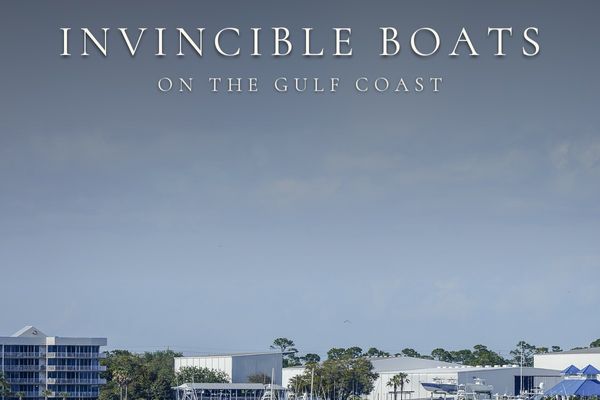
Invincible Boats at the 2026 Fort Lauderdale International Boat Show: Booth 2032 & Pier 66 Sea Trials
Invincible is a name you hear every day around Orange Beach, Ono Island, and Perdido Pass. Here is where to see five of their boats in… When it comes to finding the home of your dreams in a fast-paced market, knowing about new listings as soon as they are available is part of our competitive advantage.Sign up to see new listings in an area or specific community. Contact Meredith with any questions you may have.
#searchthegulf #meredithamon #becausewelivehere
.gif)

Invincible Boats at the 2026 Fort Lauderdale Boat Show | Booth 2032 & Pier 66
Long Bayou Preserve Orange Beach: New Site Plan & Update
Ask A Question or Sign Up To See New Real Estate Listings Before Your Competition
<!-- End Constant Contact Active Forms
Posted by Meredith Folger Amon on
Enjoy this blog post? Click here to subscribe for updates
Leave A Comment