
How Recent City Council Decisions Shape Real Estate on the Alabama Gulf Coast
_(800_x_150_px)_(2).gif)

When someone reaches out to me through www.searchthegulf.com, one of the first things I look at behind the scenes is not just listings, but recent city council activity. Zoning changes, annexations, and even tree appeals can subtly shift how our Gulf Coast neighborhoods live, feel, and function. In a recent November 2025 city council summary covering Orange Beach, Fairhope, and Gulf Shores, several decisions stood out to me as a real estate advisor and as a local who cares deeply about how we grow.
“City council agendas may look technical, but over time they tell the story of what our coastline is becoming.”
I want to walk you through three recent decisions and share how I interpret them for buyers and sellers who are keeping an eye on the future of the Alabama Gulf Coast.
Orange Beach: Jones Duplexes PUD Modification Near Turquoise Place
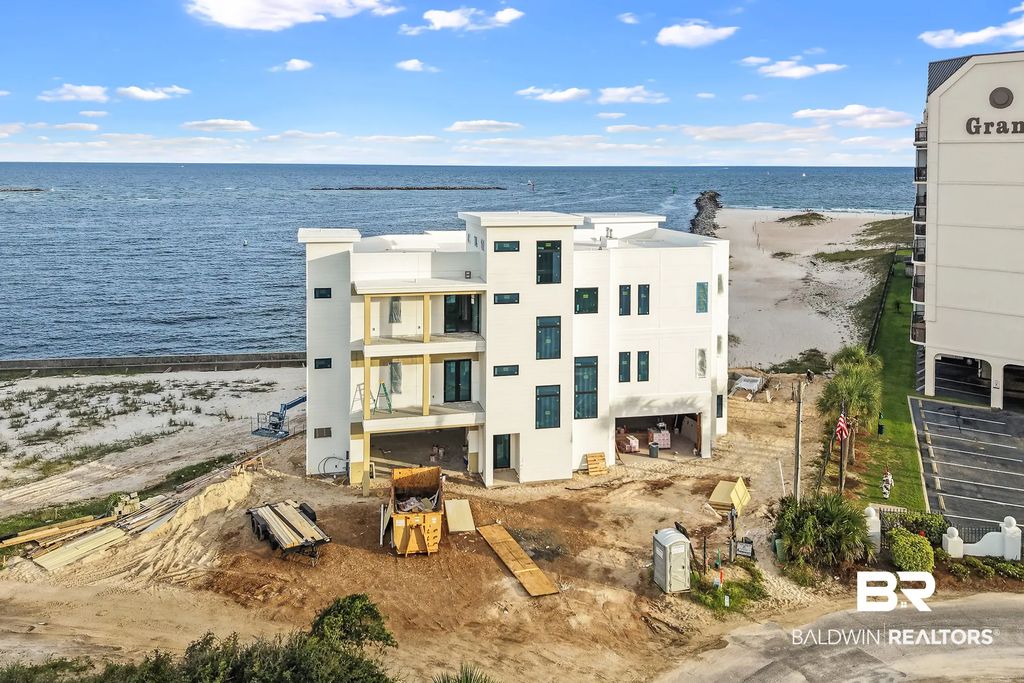
The Orange Beach City Council granted final approval to a major modification of the Jones Duplexes Planned Unit Development. The project, located east of Turquoise Place and south of Highway 182, is now approved for roughly 9.9 acres and a total of 36 residential units, including a mix of single-family homes and beachfront duplexes, with building heights capped under 50 feet and a detailed parking plan.
The modification rezoned about 7.9 acres from traditional single-family zoning (RS-1) into the PUD, expanding what had originally been a much smaller, seven-unit concept. Planning staff and the Planning Commission had previously raised concerns about spacing between structures and internal circulation. In response, the developer removed one beachfront duplex, widened the internal drives, and increased separation between buildings to address those issues.
When I look at a new Gulf-front PUD, I am not just counting doors. I am asking, “Will this feel coastal or crowded when you drive in, park, and walk to the beach at sunset.”
From my perspective as a local real estate advisor, this kind of project is a double-edged sword. On one hand, it creates new opportunities for buyers who want newer construction close to the water, often with modern floor plans, elevated design standards, and shared amenities. On the other hand, density on Gulf-front property has to be handled with care so that driveways, parking, and spacing preserve that open, breezy feeling people expect when they invest in coastal property.
For buyers considering this type of development, I encourage a few key questions:
- How are the PUD documents written, and what do they say about future phases or changes
- Is ownership condominium-form, and what does that mean for maintenance, insurance, and reserves
- How does the traffic flow feel when you enter and leave, especially during peak season
When we tour areas near Turquoise Place and other high-demand stretches of beach, I will often say, “Let us look at how it will live on a busy July afternoon, not just on a quiet Tuesday in February.” That mindset keeps us grounded in reality instead of renderings.

Fairhope: Hilltop North Annexation and Low-Density Zoning
The second item that caught my attention was the Fairhope City Council’s final adoption of an ordinance to annex and zone a 14-acre tract on Twin Beach Road as R-1 Low-Density Single-Family Residential. The property, previously under county zoning, now sits inside the city with minimum lot sizes of 15,000 square feet and 100-foot widths, plus an existing cell tower on a separate out-parcel. The developer submitted a conceptual plan with a tree survey, delineated wetlands on the eastern side, and proposed street connections back into the existing Hilltop subdivision.
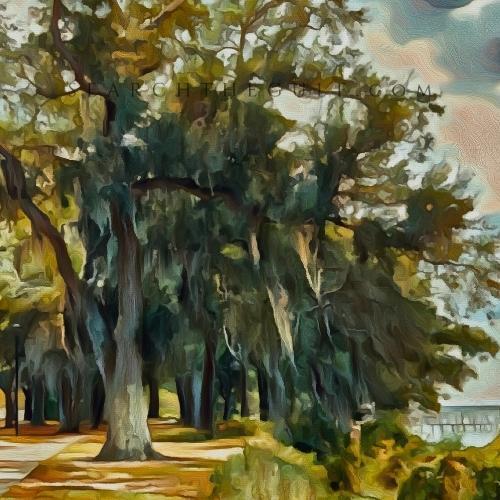
In practical terms, R-1 zoning at this scale usually signals an intention for a neighborhood that breathes a bit more, rather than small-lot compact development. Larger lots give room for deeper setbacks, established trees, and thoughtful landscaping. The presence of delineated wetlands also tells me that buyers will want to understand where the buildable envelopes stop and the protected areas begin.
“Any time land moves from county to city zoning, I pay close attention. Annexation often means new services, new expectations, and sometimes new long-term value.”
For someone thinking about building or buying in this area of Fairhope, here are a few questions I would walk through together:
- How does the R-1 standard shape the size and feel of planned homes and yards
- What protections are in place for wetlands and existing trees, and how might that influence site design
- How does the non-conforming cell tower factor into your long-term view of the property and surrounding values
The cell tower can remain under current rules but cannot be rebuilt if removed, which is important context when you are thinking about the long game for a neighborhood. It is a good reminder that some features you see today are “frozen in time” by zoning language.
Gulf Shores: Heritage Live Oak Appeal on West Fairway Drive

The Gulf Shores City Council heard an appeal regarding a 31-inch heritage live oak on West Fairway Drive. Under the existing ordinance, heritage trees may only be removed when they fall within a home’s footprint. In this case, the tree’s roots were uplifting walkways and wrapping around a structural front-porch column, creating ongoing safety concerns. City staff had originally denied the removal, but council ultimately approved the appeal and signaled interest in revisiting the ordinance to better distinguish between new construction and existing homes where roots are causing damage.
I read this and immediately thought of the many conversations I have had with homeowners who love their live oaks but also live with the reality of cracked driveways, leaning porches, and complicated insurance questions. On the Gulf Coast, our trees are part of the architecture. They frame the house, shade the roof, and create a sense of permanence that buyers often fall in love with on first sight.
I often tell buyers, “A live oak is a gift until its roots start lifting your foundation, and then it becomes both a legal and emotional decision.”
This decision does not mean every large tree will suddenly be approved for removal. What it does signal is that Gulf Shores leaders are willing to consider how older ordinances interact with real-world structural issues, especially in established neighborhoods. For buyers and sellers, it underscores the value of:
- Having an arborist evaluate significant trees near foundations, porches, and driveways
- Documenting any existing damage before a sale so everyone is clear on current conditions
- Understanding how local tree ordinances apply differently to new builds versus long-standing homes
In my own work, I have seen transactions move more smoothly when both sides understand the local rules up front and have realistic expectations about what the city is likely to approve or deny.
What This Means for Buyers and Sellers Along the Coast
Putting these three decisions together, a pattern emerges. Orange Beach is managing higher-value Gulf-front land through detailed PUD approvals. Fairhope is shaping its growth with low-density zoning and carefully planned annexations. Gulf Shores is navigating the balance between preserving mature trees and protecting structures and walkways.
“If you are buying or selling property on the Alabama Gulf Coast, city council minutes are part of your due diligence, whether you ever sit in the council chambers or not.”
For buyers, this is a good moment to deepen the questions you ask:
- How might nearby rezonings or annexations change traffic patterns, streetscapes, or the feel of a neighborhood
- Are you comfortable with the density and design of new developments planned around you
- Do tree ordinances or environmental rules add value to your property, create challenges, or both
For sellers, understanding these decisions helps position your property. A home near a thoughtfully planned low-density community may appeal to one set of buyers, while proximity to new Gulf-front development may attract another. Clear information builds confidence, and confident buyers tend to move forward more decisively.
If this breakdown of recent council decisions helps you see our coast with a little more clarity, I would love to hear from you. Send a quick note or reach out through www.searchthegulf.com and let me know which part of the coast you are most curious about. As a Gulf Coast Expert Real Estate Advisor, licensed in Alabama and Florida, my goal is to help you connect the dots between policy, neighborhoods, and real property value.
#searchthegulf #meredithfolger #becausewelivehere
Search Coastal Alabama Homes and Real Estate For Sale
- All Listings
- Under $100,000
- $100,000 - $200,000
- $200,000 - $300,000
- $300,000 - $400,000
- $400,000 - $500,000
- $500,000 - $600,000
- $600,000 - $700,000
- $700,000 - $800,000
- $800,000 - $900,000
- $900,000 - $1,000,000
- Over $1,000,000





.gif)


Fort Morgan Sunset: A Peaceful October Evening | Meredith
Through Meredith’s Lens · Fort Morgan, Alabama
An October Sunset at the End of Fort Morgan Road
By Meredith · October 13, 2026
Tonight, I stood at the end of Fort Morgan Road and watched a perfect October sky settle over the Gulf. Pale blue gave way to apricot and rose, with a ribbon of gold…


Long Bayou Preserve Orange Beach: New Site Plan & Update
Ask A Question or Sign Up To See New Real Estate Listings Before Your Competition
When it comes to finding the home of your dreams in a fast-paced market, knowing about new listings as soon as they are available is part of our competitive advantage.Sign up to see new listings in an area or specific community. Contact Meredith with any questions you may have.
Posted by Meredith Folger Amon on
Enjoy this blog post? Click here to subscribe for updates
Leave A Comment