
.91.jpeg)
Gulf Coast Condos, Insurance Assessments, and What Buyers and Sellers Should Know in Orange Beach, Gulf Shores, and Perdido Key
_(800_x_150_px)_(2).gif)

When I work with buyers and sellers along the Gulf Coast, one of the most important condo topics I discuss is insurance assessments and capital improvement assessments. Whether someone is looking at a condo in Orange Beach, Gulf Shores, or Perdido Key, this is one of those details that can materially affect the real cost of ownership and the terms of a deal.
In our coastal markets, annual insurance assessments are not uncommon. Buildings face wind exposure, salt air, rising insurance costs, reserve pressures, and ongoing maintenance demands that inland properties may not experience in the same way. Because of that, buyers need to look beyond the purchase price and monthly dues. Sellers need to understand that these assessments are often part of the negotiation, especially when a buyer is carefully comparing one building to another.
One of the more common strategies I see is this: with an acceptable offer, it is common for all capital improvement assessments currently approved and due to be paid by the seller. That said, this is negotiable. There is no single one-size-fits-all rule for every condo, every building, or every transaction. The final outcome often depends on market conditions, the desirability of the unit, how large the assessment is, whether the work has already begun, and how motivated each party is to get the transaction closed.
On the Gulf Coast, condo buyers should evaluate not only the view and the layout, but also the building’s financial health, recent assessments, insurance trends, and upcoming capital needs.
Why Condo Assessments Matter So Much on the Gulf Coast
Condo ownership along the coast comes with a different set of realities than owning a detached house. Shared roofs, shared structural systems, elevators, pools, parking decks, exterior waterproofing, and storm-related repairs all cost money. When reserves are not enough, or when insurance premiums rise sharply, the association may levy an assessment.
Some assessments are tied to insurance shortfalls or premium increases. Others are tied to capital improvements, such as concrete restoration, balcony work, waterproofing, roof replacement, exterior repairs, pool improvements, or mechanical upgrades. I always encourage buyers to ask not only whether there is a current assessment, but also whether there has been discussion of future work that has not yet been formally approved.
Gulf Coast Condos | Orange Beach, Perdido Key and Gulf Shores
No listings were found matching your search criteria.
Orange Beach, Gulf Shores, and Perdido Key Condo Buyers Should Look Deeper
In Orange Beach, condo buyers are often drawn to boating access, Gulf views, strong rental appeal, and larger resort-style amenities. In Gulf Shores, buyers may find a mix of beachfront towers, low-density buildings, and different price points. In Perdido Key, buyers are often comparing Florida inventory with Alabama options while weighing taxes, association structure, and long-term maintenance obligations.
No matter which area someone chooses, I believe the smart approach is the same: study the condo documents, review the budget, review the meeting minutes if available, ask about insurance, ask about reserves, and ask whether any special assessment has been proposed, approved, billed, or remains unpaid.
My advice: if an assessment is already approved and due, do not leave that issue vague in the contract. Spell out clearly who is paying it, whether it will be paid in full before closing, credited at closing, or prorated in some agreed way.

What I Commonly See Negotiated in Condo Contracts
When I represent buyers, one of the most important contract points is making sure assessment responsibility is addressed clearly and early. A vague conversation is not enough. If the parties have agreed that the seller will pay certain assessments, that needs to be written in a way that leaves very little room for confusion later.
On Gulf Coast condo transactions, I commonly see buyers request that all capital improvement assessments that are currently approved and due as of closing be paid by the seller. That is often a very reasonable request, particularly when the assessment relates to a building issue or project that was known before the buyer entered the picture. But again, it is negotiable. Some sellers agree. Some sellers counter. Some buyers accept the assessment in exchange for a better overall price or other more favorable terms.
From a strategy standpoint, there are several ways this can be approached:
- Seller pays all currently approved and due capital improvement assessments. This is often the cleanest option for the buyer.
- Seller pays a specific dollar amount toward the assessment. This may be a compromise if the seller does not want to absorb the full amount.
- Buyer accepts the assessment in exchange for a lower purchase price. Sometimes this makes sense depending on financing, tax strategy, or overall value.
- Seller pays assessments approved before closing, while buyer takes responsibility for anything approved after closing. This can be a practical middle ground.
Important Questions Condo Buyers Should Ask
When I help someone purchase a condo on the Gulf Coast, these are some of the questions I want answered as early as possible:
- Are there any current special assessments?
- Have any capital improvements been approved but not yet fully billed?
- Are there any insurance-related assessments expected this year?
- What major repairs or projects has the association discussed recently?
- How strong are the reserves?
- Has the building had recent work on balconies, concrete, roof, elevators, waterproofing, or parking areas?
- Are there pending maintenance issues that could lead to another assessment?
- How should assessment responsibility be written into the contract so the buyer is protected?
_(800_x_150_px).gif)
Important Questions Condo Sellers Should Be Ready to Answer
Sellers benefit when they are proactive. If I were preparing a condo for sale, I would want the seller to gather association information up front and be ready to explain any current assessment clearly. Buyers are much more comfortable when they feel they are getting a transparent picture of the building and its finances.
I also think sellers should be realistic. If a building has a current assessment, a buyer is likely going to factor that into value. Sometimes the cleanest path to a successful closing is to address it directly and build the solution into the terms of the offer.
A well-written condo contract should not leave buyers guessing about who pays an approved assessment. Clear language can prevent frustration, re-trading, and closing delays.
My Practical Take on Gulf Coast Condo Assessments
I never want buyers to panic just because a condo has had an assessment. On the Gulf Coast, assessments can be part of ownership, especially in buildings that are aging, improving, or dealing with higher insurance costs. The key is not simply whether an assessment exists. The key is understanding it, pricing for it, and negotiating it intelligently.
Some buildings with assessments are still excellent opportunities. Some buildings without a current assessment may still have deferred needs that a buyer should investigate carefully. That is why I always believe the building itself deserves as much attention as the unit.
Searching for the Right Condo Along the Gulf Coast
If you are comparing Orange Beach condos, Gulf Shores condos, or Gulf Coast opportunities near Perdido Key, I would be glad to help you look beyond the surface. A beautiful unit is important, but so is the financial story behind the building.
You can start your search at www.searchthegulf.com, where I help buyers and sellers navigate homes, condos, land, and waterfront opportunities across the Gulf Coast.
Meredith Folger Amon is a Gulf Coast Expert Real Estate Advisor, licensed in Alabama and Florida. I specialize in helping buyers and sellers navigate the buying and selling of homes, condos, land, and boating properties along the Gulf Coast, with a strong focus on strategic guidance, local knowledge, and practical negotiation.
Note: Assessment terms should always be reviewed carefully in the purchase agreement and supporting documents. Buyers and sellers should rely on the specific contract language they sign and consult appropriate legal, tax, or financial professionals when needed.
#searchthegulf #meredithfolger #becausewelivehere
When it comes to finding the home of your dreams in a fast-paced market, knowing about new listings as soon as they are available is part of our competitive advantage.Sign up to see new listings in an area or specific community. Contact Meredith with any questions you may have.
.gif)


2026 MBGFC Labor Day Invitational | Orange Beach | Search The Gulf
Orange Beach · Boating Lifestyle
The 2026 MBGFC Labor Day Invitational: Celebrating Orange Beach’s Fishing and Boating Community
Thirty-eight teams, 222 anglers, 186 catches—and a Labor Day weekend that felt like one coastal family at the dock.
Explore Orange Beach Perdido Pass
On this…
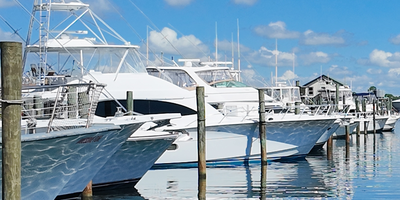
Cotton Bayou Marina Boats | Orange Beach Near Terry Cove

Orange Beach and Ono Island Real Estate Update September
Ask A Question or Sign Up To See New Real Estate Listings Before Your Competition
Posted by Meredith Folger Amon on
Enjoy this blog post? Click here to subscribe for updates
Leave A Comment