
How to Lower Your Coastal Home Insurance
_(800_x_150_px)_(2).gif)

Coastal insurance can feel like it changes with the wind. One year the premium is manageable, the next year it’s a shock. When I talk with homeowners along the Gulf Coast, the people who lower their home insurance long-term usually do two things well: they prove their home is wind-resistant, and they remove uncertainty for the carrier with documentation and smart upgrades.
I’m Meredith Folger Amon, and I help buyers and sellers navigate real estate decisions along the Gulf Coast every day. If you’re comparing homes (or planning upgrades), my go-to starting point is understanding what insurers reward most: wind mitigation and a roof system that’s properly attached, protected, and maintained.
Insurance companies discount what they can measure. Your job is to make wind resistance obvious on paper, not just “true in real life.”
My practical mindset for lowering premiums
One of my neighbors once described it perfectly: “My house didn’t change overnight, but my paperwork did.” After a wind mitigation inspection and a few targeted improvements, the carrier finally had enough evidence to apply credits. That’s the pattern I see most often.
The goal is not to chase random upgrades. The goal is to focus on the handful of features that are commonly used to calculate wind credits, then document them clearly.
How to tell if your Coastal home is wind-resistant
Before scheduling an inspection, I like to do a quick “walk-through checklist.” Here’s what I look for, and what you can look for too.
1) Age of the roof
Roof age matters because building codes tightened over time, especially for wind. A newer roof often means better attachment methods and materials. Even if your roof is older, you can still earn credits with the right improvements and documentation.
2) Roof condition
Missing shingles, lifted edges, soft spots, and flashing issues can trigger underwriting concerns and reduce the chance of credits. Regular maintenance often costs less than the premium increases that follow a deteriorating roof.
3) Roof shape
Hip roofs are generally considered more wind-resistant than gable roofs because the sloped sides reduce wind pressure. Roof geometry can influence wind credits, and it’s one of the first items an inspector documents.

Why a hip roof is typically more hurricane-resistant
A hip roof is often considered more wind-resistant because its shape is more aerodynamic in high winds.
-
Less “sail area” for wind to grab
-
A gable roof has vertical gable-end walls that can catch wind like a sail.
-
A hip roof doesn’t have those tall, flat end walls, so wind has fewer places to push hard.
-
Wind pressure is distributed more evenly
-
With four sloping sides, a hip roof tends to spread wind loads around the structure rather than concentrating them on one broad face.
-
This can reduce peak pressures at the roof edges and end walls.
-
Better performance in wind direction changes
-
Hurricanes shift direction and swirl. Hip roofs tend to handle varying wind angles better because every side is sloped.
-
Gable roofs can be more vulnerable when wind hits the gable end directly.
-
Reduced uplift at the “weak points”
-
Roof failures often begin at edges, corners, overhangs, and poorly tied connections.
-
While either roof can fail if attachment is weak, gable ends can be a common failure initiation point when bracing and connections are inadequate.
A hip roof can give you an advantage in wind resistance, but the biggest wins come from the whole system: deck attachment, straps/clips, secondary water barrier, and impact protection.
4) Hurricane straps or clips
These are typically visible in the attic. Straps and clips help create a continuous load path, linking the roof to the walls so the roof is less likely to lift in high winds.

5) Impact-resistant windows and doors, or shutters
Opening protection matters because wind-borne debris can compromise the building envelope quickly. Impact-rated products or properly rated shutters can reduce damage risk and may qualify for credits depending on the policy and location.

Wind mitigation improvements that typically move the needle
These are the upgrades I see come up most often when homeowners want meaningful insurance savings. Think of these as “carrier-friendly” improvements because they’re easy to document and widely recognized on mitigation forms.
Roof covering
- Upgrade to wind-rated materials such as metal roofing or properly rated architectural shingles.
- Save invoices, permits, product specs, and photos during installation.
Roof deck attachment
- Stronger deck attachment (nails and spacing) helps prevent deck uplift and water intrusion.
- This is a big one because it reduces catastrophic roof loss scenarios.
Roof-to-wall connection
- Hurricane straps or clips help create that continuous load path insurers want to see.
- If you add them, photograph the work and keep receipts and any engineering notes.
Opening protection
- Impact-resistant windows and doors, impact-rated garage doors, or rated shutters can protect the structure.
- Insurers often want product approval numbers or labels, plus installation documentation.
Secondary water resistance
- A secondary water barrier under the roof covering helps prevent leaks when shingles or panels are damaged.
- This is one of those “quiet upgrades” that can matter a lot in a claim.
Roof shape and geometry
- Aerodynamic roof design and appropriate pitch can reduce wind pressure.
- If you’re building or remodeling, roof design decisions can have long-term insurance impact.
The most overlooked step: document everything
I see homeowners spend real money on improvements and still miss credits because the carrier can’t verify details. Here’s what I recommend keeping in a single folder (digital is fine):
- Roof permit and final inspection sign-off (if applicable)
- Paid invoices showing scope of work
- Product specs (roofing, shutters, windows, doors, garage door)
- Photos: before, during, and after, especially attic strap/clip photos
- A current wind mitigation inspection report (if your area uses one)
Shopping your policy without getting burned
If you’re comparing quotes, I suggest standardizing the variables so you can truly compare apples to apples:
- Same dwelling limit and replacement cost assumptions
- Same hurricane/wind deductible type and amount
- Same ordinance or law coverage
- Same roof coverage endorsements (these can vary widely)
- Confirm whether flood is separate and what is excluded
A “cheap” quote can become expensive after a claim if the coverage details don’t match your risk tolerance. I prefer clarity over a teaser premium.
Call or Text Meredith on her direct line. 970/389.2905
A quick note on coastal due diligence
This article is for general education and planning. Insurance availability, credits, underwriting rules, and deductible structures vary by carrier and location, and they can change. I always suggest confirming details directly with a licensed insurance professional using your exact address and a current declarations page.
If this helped, kindly drop me a quick note and tell me what kind of property you’re working with (condo, home, or land). I’ll point you to the most relevant resources on SearchTheGulf.com, including my latest articles and neighborhood guides.
Back to TopRelated links on Search the Gulf
- Orange Beach — https://www.searchthegulf.com/orange-beach/
- Ono Island — https://www.searchthegulf.com/ono-island/
- Buying on the Gulf Coast blog category — https://www.searchthegulf.com/blog/category/buying-on-the-gulf-coast/
#searchthegulf #meredithfolger #becausewelivehere
Ono Island Homes & Land for Sale – Luxury Waterfront Real Estate in Orange Beach Alabama
- All Listings
- $100,000 - $200,000
- $200,000 - $300,000
- $300,000 - $400,000
- $400,000 - $500,000
- $500,000 - $600,000
- $600,000 - $700,000
- $700,000 - $800,000
- $800,000 - $900,000
- $900,000 - $1,000,000
- Over $1,000,000


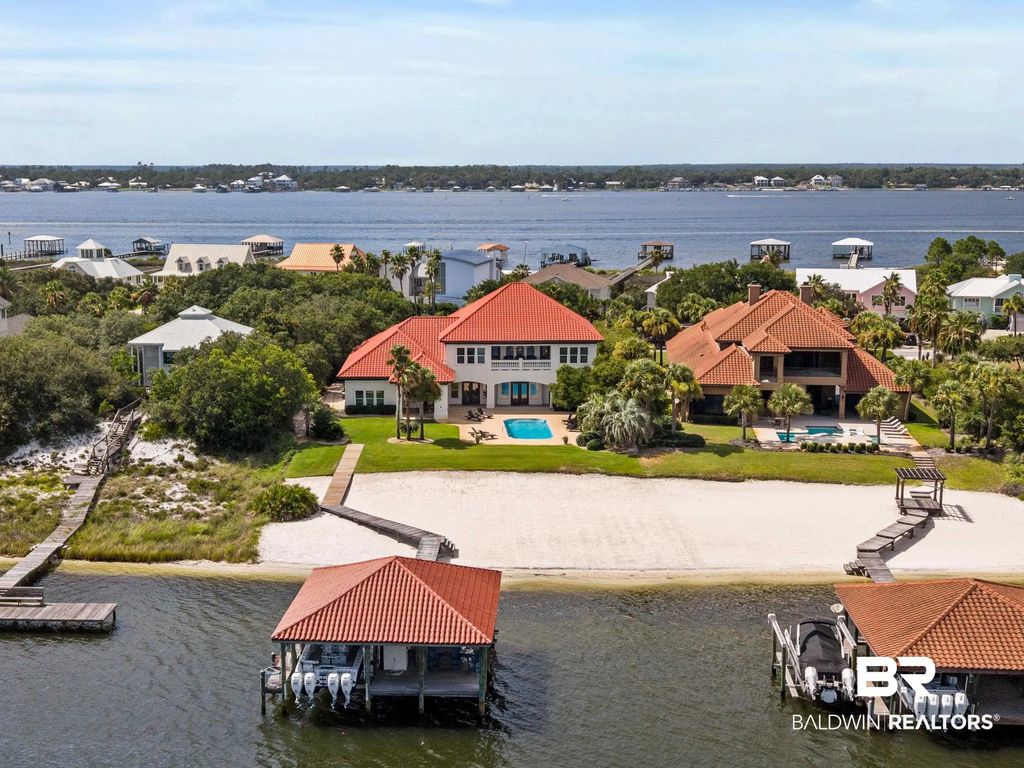


Search Coastal Alabama Homes and Real Estate For Sale



.gif)
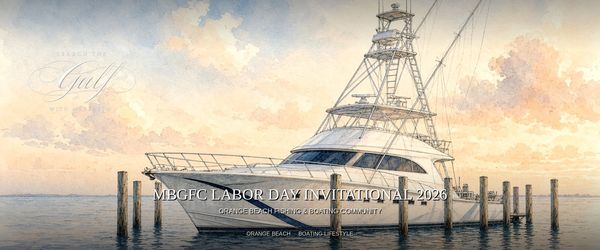

2026 MBGFC Labor Day Invitational | Orange Beach | Search The Gulf
Orange Beach · Boating Lifestyle
The 2026 MBGFC Labor Day Invitational: Celebrating Orange Beach’s Fishing and Boating Community
Thirty-eight teams, 222 anglers, 186 catches—and a Labor Day weekend that felt like one coastal family at the dock.
Explore Orange Beach Perdido Pass
On this…

Cotton Bayou Marina Boats | Orange Beach Near Terry Cove

Orange Beach and Ono Island Real Estate Update September
Ask A Question or Sign Up To See New Real Estate Listings Before Your Competition
When it comes to finding the home of your dreams in a fast-paced market, knowing about new listings as soon as they are available is part of our competitive advantage.Sign up to see new listings in an area or specific community. Contact Meredith with any questions you may have.
<!-- End Constant Contact Active Forms
Posted by Meredith Folger Amon onEnjoy this blog post? Click here to subscribe for updates
Leave A Comment