.12.jpg)
Long-Term Rental Real Estate Investment Questions On the Gulf Coast
_(800_x_150_px)_(2).gif)

If I’m evaluating a property as a long-term rental, I work through a repeatable checklist that covers income, expenses, risk, tenant demand, and exit strategy. Below is the thorough question list I use so I can spot red flags early and compare multiple options side-by-side.
1) Rental Income Potential
Market rent and scenarios
- What is the best-case monthly rent based on comparable leased properties (same bed/bath, size, condition, and location)?
- What is the worst-case monthly rent if the market softens or the property needs concessions?
- What is the most likely rent range I should underwrite (conservative, realistic number)?
- How quickly do comparable rentals lease, and what’s the typical time on market?
- What incentives are common right now (first month discount, waived app fee, reduced deposit), and would I need them?
- If the property is a duplex/triplex/quad, what are realistic rents per unit, and how do unit finishes compare to comps?
- Are there restrictions that limit rent potential (HOA rules, parking limitations, pet restrictions, occupancy limits)?
2) Current Tenancy and Lease Details
- Are there leases in place right now, and if so, what are the lease start/end dates?
- What is the current rent, deposit, pet fees, and any tenant-paid utilities?
- Are there rent increases already scheduled, or is the lease month-to-month?
- Do tenants have payment histories (late pays, notices, delinquencies), and can those be verified?
- Are there any verbal agreements with tenants that are not in writing (repairs, rent credits, storage, parking)?
- Are there any pending maintenance requests or habitability issues?
- Will the sale require tenant relocation, and what is the legal timeline/notice requirement?
3) Property Condition and Major Systems
Age, remaining life, and replacement planning
- How old is the roof, and is there documentation (permit, warranty, invoice)?
- How old are HVAC systems, water heater(s), and major appliances?
- What is the electrical service type and capacity (panel brand, amps), and are there any known issues?
- What is the plumbing material (cast iron, galvanized, copper, PEX), and has any supply or drain line work been done?
- What is the foundation type, and are there any signs of settling, cracks, or drainage issues?
- Are there signs of moisture intrusion, prior leaks, mold, or poor ventilation?
- For multifamily: are there separate mechanicals per unit, or shared systems?
- What deferred maintenance is visible now, and what is likely to appear in the first 12–24 months?
- What “tenant wear” items will be frequent (flooring type, paint, landscaping, exterior material)?
4) Flood Zone, Storm Risk, and Insurance
- What is the flood zone, and is flood insurance currently required by typical lenders?
- What are the estimated annual premiums for hazard, wind (if separate), flood (if applicable), and liability?
- Are there prior flood claims, water intrusion claims, or storm damage claims?
- What is the elevation profile of the site, and are there drainage or standing-water concerns after heavy rain?
- Are there trees close to structures or power lines that increase storm risk?
- Are there mitigation features that may reduce premiums (roof shape, straps, impact protection, newer roof)?
5) Utilities and Metering
- Which utilities are available (electric, water, sewer, gas/propane, trash, internet), and who provides them?
- Are utilities individually metered per unit or shared?
- If utilities are shared, what is the plan for billing (owner-paid, RUBS, flat fee, rent-inclusive)?
- Are there any known high-bill issues (old HVAC, poor insulation, single-pane windows)?
- Is the property on sewer or septic, and if septic: age, last pump-out, and inspection results?
- For water: any history of leaks, high usage, or old supply lines?
6) Expenses and Operating Assumptions
- What are the current property taxes, and how might they change after purchase?
- What are HOA/COA dues (if any), and what do they cover and restrict?
- What are current maintenance costs (lawn, pest control, HVAC service, termite bond)?
- What is a realistic annual reserve for replacements (roof, HVAC, paint, flooring, appliances)?
- Will I self-manage or hire management, and what is the fee structure (leasing fee, renewal fee, maintenance markup)?
- What is my conservative vacancy assumption (5%, 8%, 10%), and why?
- What is my bad-debt/collections assumption, and how will I screen tenants?
7) Zoning, Use, and Regulatory Items
- What is the zoning classification, and does it allow the current use (single-family, multifamily, accessory dwelling, etc.)?
- Is the property legally conforming, nonconforming, or “grandfathered,” and what happens if it’s damaged or rebuilt?
- Are there any code violations, open permits, or unpermitted additions?
- Are there rental registration requirements, inspection requirements, or local landlord licensing rules?
- Are there restrictions on number of occupants, parking requirements, or minimum lease terms?
- If I wanted to add value (ADU, additional unit, convert garage), is it permitted by zoning and utilities?
8) Neighborhood, Tenant Demand, and Livability
- What is the neighborhood known for, and what do residents say about living there?
- What tenant pool is most likely here (workforce renters, professional renters, retirees, military, students), and is that stable?
- How close is it to daily conveniences: grocery, pharmacy, coffee, restaurants, and major employment corridors?
- Are there parks, trails, waterfront access, or community amenities nearby that improve tenant appeal?
- How is traffic flow, noise, and overall curb appeal on the street and adjacent streets?
- What are the common reasons tenants move out in this area (price, condition, commute, property management)?
- Is the vacancy level typically low or high compared to nearby areas, and why?
9) Comparable Sales, Appreciation, and Resale Value
- What are the closest comparable sales in the last 6–12 months, and how does this property truly compare on condition and lot?
- Is the resale market stronger for updated homes, or are buyers accepting dated finishes?
- How liquid is the exit strategy (how many similar properties sold recently, and how quickly)?
- Would future buyers prefer this as a primary home, second home, or investor property?
- Are there factors that cap resale (busy road, functional obsolescence, odd layout, limited parking, flood zone)?
10) Future Growth, Development, and Competition
- Are there planned developments nearby (new retail, road expansions, major employers, waterfront projects)?
- Could new construction add competing rental inventory and soften rent growth?
- Are there signs of neighborhood reinvestment (renovations, infill building, streetscape improvements)?
- Are there nuisance risks on the horizon (industrial expansion, zoning changes, roadway noise increases)?
11) Financial Metrics to Underwrite
- What is the estimated cap rate using conservative market rent and realistic expenses (not seller-provided “pro forma” only)?
- What is the estimated cash-on-cash return with my expected financing terms?
- What does the deal look like under stress tests: higher insurance, higher vacancy, one major repair, or lower rent?
- What is the break-even occupancy rate?
- What is the debt service coverage ratio (DSCR) under conservative rent?
12) Practical Ownership Questions
- What will I do on day one to make this “tenant-ready” and reduce maintenance calls?
- What improvements have the best ROI here (paint, lighting, flooring, landscaping, exterior pressure wash)?
- What items should be standardized for easier maintenance (locks, filters, fixtures, appliances)?
- Do I have reliable local trades lined up (HVAC, plumbing, electrical, handyman, pest control)?
13) Due Diligence Documents to Request
- Seller’s disclosure (if applicable), insurance claims history (when available), and prior inspection reports.
- Invoices/warranties for roof, HVAC, water heater, renovations, and major repairs.
- Current leases, rent ledger, deposit ledger, and any tenant correspondence on repairs.
- Utility bills (especially if owner-paid), tax bill, HOA/COA documents, and any special assessments.
- Survey (if available), permits, and documentation for additions or conversions.
The best long-term rental investments are the ones that still work on paper after I assume higher insurance, conservative rent, realistic maintenance, and a few months of vacancy. If it only works in the best-case scenario, it’s usually not the one I want.

My Quick “Go / No-Go” Summary Questions
- Does the property cash flow with conservative rent and realistic insurance?
- Is the flood/insurance profile acceptable for my risk tolerance?
- Are major systems (roof/HVAC/plumbing) in good shape or properly budgeted?
- Is the tenant demand strong enough to keep vacancy low?
- Do I have a clear resale path that makes sense even if rent growth slows?
For Gulf Coast inventory and long-term rental opportunities, I always point people back to www.searchthegulf.com.
If this helped, drop me a quick note and tell me what type of property you’re targeting, and I’ll help you pressure-test it.
#searchthegulf #meredithfolger #becausewelivehere
When it comes to finding the home of your dreams in a fast-paced market, knowing about new listings as soon as they are available is part of our competitive advantage.Sign up to see new listings in an area or specific community. Contact Meredith with any questions you may have.
.gif)
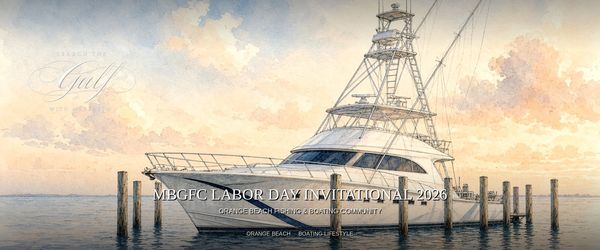

2026 MBGFC Labor Day Invitational | Orange Beach | Search The Gulf
Orange Beach · Boating Lifestyle
The 2026 MBGFC Labor Day Invitational: Celebrating Orange Beach’s Fishing and Boating Community
Thirty-eight teams, 222 anglers, 186 catches—and a Labor Day weekend that felt like one coastal family at the dock.
Explore Orange Beach Perdido Pass
On this…
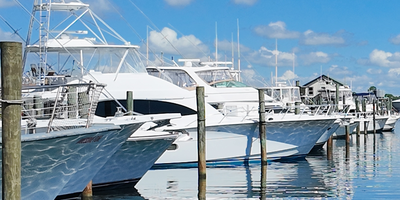
Cotton Bayou Marina Boats | Orange Beach Near Terry Cove

Orange Beach and Ono Island Real Estate Update September
Ask A Question or Sign Up To See New Real Estate Listings Before Your Competition
<!-- End Constant Contact Active Forms
Posted by Meredith Folger Amon onEnjoy this blog post? Click here to subscribe for updates
Leave A Comment