
Sassafras on Ono Island, Alabama: What It Is and Why People Pick It
_(800_x_150_px)_(2).gif)
Sassafras is one of those quietly iconic Southern trees that can stop you in your tracks once you learn to recognize it. Around Ono Island and Orange Beach, I hear people talk about “the mitten-leaf tree” they like to pick from. Most of the time, they mean sassafras.
“Once you know sassafras, you start seeing it everywhere — the mitten-shaped leaves, the unmistakable spicy-citrus scent, and that old-school Southern connection to gumbo.”
Meredith Folger AmonWhat is sassafras
Sassafras (Sassafras albidum) is a native North American tree in the laurel family. It’s known for its aromatic leaves and roots, its vivid fall color, and its famously variable leaf shapes. On a single tree (sometimes on a single branch), you can see:
- an unlobed oval leaf
- a two-lobed “mitten” leaf
- a three-lobed leaf
That leaf variety is the quickest “field clue” when you’re walking a shaded edge, a wooded lot, or a back-of-neighborhood natural area. When the breeze carries the scent of bay brine and sun-warmed pine, sassafras adds its own note — spicy, bright, and a little nostalgic.
Why people on Ono Island pick it
In coastal Alabama, the most common reason people pick sassafras is culinary: they want the leaves to make filé powder (also called gumbo filé). Filé is a traditional seasoning and thickener made from dried, ground sassafras leaves. It’s a small, old-world habit that still feels pitch-perfect for the Gulf Coast — a simple ingredient that yields timeless elegance in a pot of gumbo.
What filé powder is used for
Filé powder is typically stirred in at the end of cooking (often off the heat) to thicken and add a subtle herbal flavor. It’s especially associated with Louisiana-style gumbo, and it’s a great example of how a native tree can shape regional food culture.
Foraging etiquette I always share
If you’re picking sassafras leaves on Ono Island, keep it respectful and light. Get permission on private property, avoid trees near roadways that may be sprayed, and never strip a small tree bare. A little goes a long way, and the goal is to leave the plant healthy and the landscape looking untouched.
Other traditional uses you may hear about
Sassafras has a long history in American folk traditions. Beyond filé powder, you may hear neighbors mention:
- Root beer “history”: sassafras root flavor was historically associated with root beer
- Sassafras tea: made from bark or roots in some traditions
- Aromatic wood: occasionally used for small projects because it’s fragrant
Important safety note
I’m not giving medical advice, and I’m especially cautious about anything concentrated. In the U.S., safrole (a constituent associated with sassafras oil and root bark preparations) is prohibited from direct addition to human food, and products “intended solely or primarily” to impart it (often cited in relation to sassafras tea) have regulatory warnings. If you’re considering ingesting sassafras preparations for wellness purposes, talk with a qualified clinician first and avoid concentrated oils.
How to identify sassafras with confidence
If you’re trying to confirm sassafras on a walk or while touring property, here’s what I look for:
- Leaf shapes: mitten, three-lobed, and oval leaves can appear on the same tree
- Fragrance: crushed leaves have a distinctive aromatic scent
- Bark and form: maturing trees can develop ridged, furrowed bark
- Seasonal interest: fall color can swing from yellow to orange to red and purple
In a coastal setting like Ono Island, I also encourage people to notice where the tree is growing. Edges and transitional spots often hold the most interesting native plants — the places where natural Alabama meets the curated aesthetics of neighborhood landscaping.
Why this matters in real estate, too
I pay attention to trees like sassafras because they tell a story about a homesite. Mature native growth can hint at drainage patterns, soil character, and the “feel” of a property when you live there day to day. And on the Gulf Coast, that sense of place matters. It’s part of why I built www.searchthegulf.com as the Gulf Coast’s premier website for searching all real estate listings along our shoreline and back bays — the lifestyle details are often where the best decisions are made.

Guided by Integrity. Backed by Experience. Search the Gulf with Meredith Folger Amon.
Meredith Folger Amon is a Gulf Coast Expert Real Estate Advisor, licensed in Alabama and Florida. I specialize in helping buyers and sellers navigate the buying and selling of homes along the Gulf Coast.
Call or Text: (970) 389-2905 | Email me: https://www.searchthegulf.com/contact/
If this helped, send me a quick note
If this article helped you spot sassafras (or understand why people value it on Ono Island), drop me a quick note. I’m always happy to point you toward the best resources, and I love sharing the small Gulf Coast details that make a property feel like it truly belongs.
Back to Top#searchthegulf #meredithfolger #becausewelivehere
Ono Island Homes & Land for Sale – Luxury Waterfront Real Estate in Orange Beach Alabama
- All Listings
- Under $100,000
- $100,000 - $200,000
- $200,000 - $300,000
- $300,000 - $400,000
- $400,000 - $500,000
- $500,000 - $600,000
- $600,000 - $700,000
- $700,000 - $800,000
- $800,000 - $900,000
- $900,000 - $1,000,000
- Over $1,000,000





.gif)
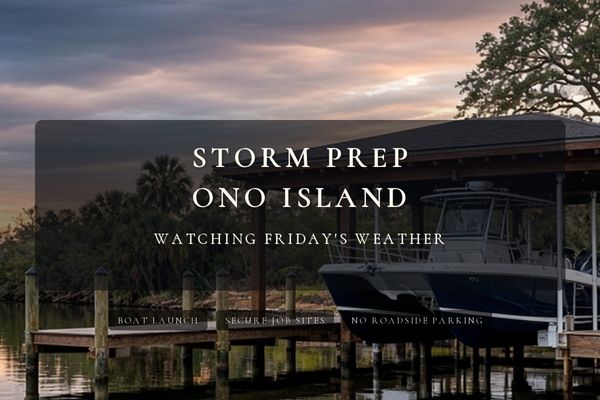

Storm Prep on Ono Island — Watching Tropical Weather for Friday | Search The Gulf
Ono Island
Storm Prep on Ono Island — Watching Tropical Weather for Friday
A tropical system could reach the coast this Friday. Nothing is locked in yet—and on Ono, we do not wait for a last-minute scramble.
Ono Landing Launch vs Dock
On this page
Watching Friday’s weather
Boat launch…
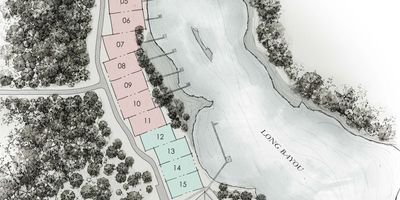
Long Bayou Preserve Orange Beach: New Site Plan & Update
Ask A Question or Sign Up To See New Real Estate Listings Before Your Competition
When it comes to finding the home of your dreams in a fast-paced market, knowing about new listings as soon as they are available is part of our competitive advantage.Sign up to see new listings in an area or specific community. Contact Meredith with any questions you may have.
#searchthegulf, #onoisland, #orangebeachalabama, #coastalalabama, #gulfcoastliving, #sassafras, #filepowder, #southerncooking, #nativeplants
Posted by Meredith Folger Amon onEnjoy this blog post? Click here to subscribe for updates
Leave A Comment