What I Learned From a Recent Go Pest Meeting About Termites on the Gulf Coast
By Meredith Folger Amon, Licensed in Alabama and Florida
I recently attended a meeting with Go Pest, a 68 Ventures company, and it was one of those conversations that stayed with me long after I left. Living and working along the Gulf Coast, I talk with homeowners all the time about insurance, maintenance, salt air, humidity, and storm preparation, but this meeting was a strong reminder that termites deserve to be right at the top of that list too. My biggest takeaway was simple: on the Gulf Coast, termite prevention is not optional, and assumptions can be expensive.
One of the most important things I learned is just how ideal our climate is for termite activity. The humid, mild conditions we enjoy here along the coast also create an environment where termites thrive year-round. Go Pest explained that coastal areas tend to have especially heavy termite populations, and that termites often remain hidden underground or inside structures until damage becomes visible. In other words, by the time a homeowner notices a problem, the termites may have been working for quite a while.
I also thought the discussion about swarming was especially helpful for Gulf Coast homeowners. Eastern swarmers tend to appear during the day, while Formosan termites usually swarm around Mother’s Day in May and are more often noticed at night. I learned that homeowners should not automatically panic if they see a few swarmers, because swarming can simply mean termites are trying to form a new colony and many of those attempts dry out and fail. That said, large swarms in or very near the structure are a different story and can point to a real issue. One practical tip that stuck with me was to keep porch lights off and shades closed during early May so you do not attract or amplify those dramatic swarming events around windows and doors.
Another takeaway I found valuable was how much inspection quality matters. Go Pest emphasized that a proper inspection is not something that should be rushed. Their notes reflected inspections taking at least 30 to 45 minutes, and sometimes much longer on more complex properties. What I appreciated most was hearing that a meaningful inspection is not just about checking bait stations. It should include the property itself, including accessible attic areas, visible signs of leaks or water stains, and any other conditions that could make a home more vulnerable. That aligns with the way I think homeowners should approach maintenance on the Gulf Coast in general: look deeper, not faster.
One of the clearest lessons from the meeting was that moisture is a major part of the termite conversation. Roof leaks, hidden moisture, and damp areas can create exactly the kind of conditions termites take advantage of. I also learned that unaddressed moisture problems can void certain termite protections. That is a detail homeowners really need to understand. A termite bond can be valuable, but it is not a substitute for maintaining the property. On our stretch of the Gulf Coast, where storms, wind-driven rain, and humidity are part of life, staying ahead of leaks and water intrusion is part of termite prevention.
The meeting also challenged a belief I hear often, which is that a newer home is automatically safer from termites. That simply is not always true. In fact, one point made during the meeting was that even new construction can experience termite issues. Freshly developed neighborhoods may be built on land that previously held trees, dead wood, and existing termite activity. Once that land is cleared and new homes go up, the food source changes, but the termite pressure may not disappear. That is one reason I think buyers of new construction in places like Orange Beach, Ono Island, and across the Gulf Coast should ask more questions about pretreatment, station placement, and ongoing inspection schedules.
I was also interested in the conversation around Centricon systems. Go Pest shared that these bait stations are considered 99.8% effective, and that their company standard is to place them every 8 to 10 feet rather than stretching to the wider maximum spacing sometimes used elsewhere. They also explained that the stations should be checked annually, and bait replaced when it is more than two-thirds consumed. For homeowners, the lesson is not just that the system matters, but that follow-through matters. A bond or system is only as useful as the inspection, maintenance, and documentation behind it.
Another point I thought Gulf Coast homeowners should know concerns homes on pilings and areas with wood-to-ground contact. Treated wood is not a free pass. The meeting notes discussed how termites can travel up through the center of pilings and eventually reach the structure, which is especially important for many coastal homes. They also talked about using jet gel treatments in pilings as an additional mitigation option. That was a good reminder that elevated homes still need serious termite planning, and details like outdoor showers, treated posts, and other wood elements near the ground deserve attention too.
I also came away with a stronger opinion about what homeowners should ask their termite company every single year. I would ask whether the house itself is being inspected or if the technician is only checking ground stations. I would ask whether inaccessible crawl space areas are documented. I would ask whether attic observations are part of the visit. And I would ask for photos. One of the smartest points from the meeting was that photos help homeowners understand what is actually being seen, rather than relying on vague language in a report. I think that kind of transparency matters tremendously.
If I had to boil the entire meeting down into one message for Gulf Coast homeowners, it would be this: termites are part of coastal homeownership, but surprise termite damage does not have to be. Prevention is really a combination of common sense and consistency. Keep moisture under control. Pay attention to swarming season. Avoid ignoring suspicious signs because the house is new or treated. Make sure inspections are truly thorough. And if something feels off, get a second opinion. That is especially important when you are buying or selling property and want a clearer picture of what is going on.
I share this because I care deeply about helping homeowners make informed decisions, whether they are buying, selling, building, or simply protecting the home they already love. If you are researching real estate, new construction, or homeownership on the Gulf Coast, you can find more local insight at www.searchthegulf.com, including information on Orange Beach and Ono Island.
If this article helped, drop me a quick note.

#searchthegulf #meredithfolger #becausewelivehere
Search Coastal Alabama Homes and Real Estate For Sale
- All Listings
- Under $100,000
- $100,000 - $200,000
- $200,000 - $300,000
- $300,000 - $400,000
- $400,000 - $500,000
- $500,000 - $600,000
- $600,000 - $700,000
- $700,000 - $800,000
- $800,000 - $900,000
- $900,000 - $1,000,000
- Over $1,000,000


When it comes to finding the home of your dreams in a fast-paced market, knowing about new listings as soon as they are available is part of our competitive advantage.Sign up to see new listings in an area or specific community. Contact Meredith with any questions you may have.
.gif)
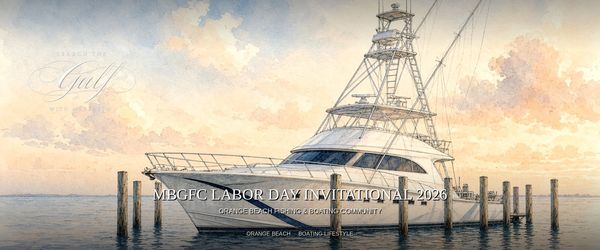

2026 MBGFC Labor Day Invitational | Orange Beach | Search The Gulf
Orange Beach · Boating Lifestyle
The 2026 MBGFC Labor Day Invitational: Celebrating Orange Beach’s Fishing and Boating Community
Thirty-eight teams, 222 anglers, 186 catches—and a Labor Day weekend that felt like one coastal family at the dock.
Explore Orange Beach Perdido Pass
On this…
Cotton Bayou Marina Boats | Orange Beach Near Terry Cove

Orange Beach and Ono Island Real Estate Update September
Ask A Question or Sign Up To See New Real Estate Listings Before Your Competition
Enjoy this blog post? Click here to subscribe for updates
Leave A Comment