
Building a Home on the Gulf Coast: A Ground-Up Guide to the Full Process
_(800_x_150_px)_(2).gif)
I’m Meredith Folger Amon, and I’ve spent my career helping buyers and sellers understand what truly matters in coastal real estate. When new construction is done well, it yields timeless elegance and durability. When details are missed, the Gulf has a way of revealing it. For more Gulf Coast market and construction insights, visit www.searchthegulf.com.

I work with a respected collective of quality homebuilders in Orange Beach, Ono Island, and across the Gulf Coast. If you would like builder recommendations for a new construction plan, a lot evaluation, or a renovation strategy, email me anytime at meredith@searchthegulf.com. I’m happy to connect you with teams that build with intention, strong coastal aesthetics, and the durability our climate demands.
“A coastal home should feel pitch-perfect on day one, and stay that way through the salty air, summer humidity, and the hard weather we plan for.”
— Meredith Folger Amon
“The Gulf doesn’t forgive shortcuts. If you build for wind, water, and humidity from day one, the home will stand proud for decades.”
— A local builder I trust, said plainly on a jobsite walk-through
Quick Orientation: What’s Different on the Gulf Coast
Wind
High wind and hurricane risk means your structural design must meet local wind-load requirements. You’ll hear builders talk about engineered connections, hurricane straps/clips, and roof tie-downs. On the Gulf, the priority is a continuous load path from roof to foundation.
Flooding and Storm Surge
Many sites sit within FEMA flood zones (A, V, VE). Homes are often elevated using pilings, piers, or an elevated slab or stem-wall. Your plan must meet Base Flood Elevation (BFE) and any required freeboard.
Salt Air and Corrosion
Salt exposure is real. Fasteners, metal flashing, HVAC coils, and exterior hardware should be corrosion-resistant (stainless or hot-dip galvanized, and marine-grade where required). If you’re budgeting, this is a line item I never recommend “value engineering” away.
Moisture and Mold Control
The Gulf’s humidity calls for drying wall systems, a high-quality WRB (weather-resistive barrier), proper HVAC sizing, and careful attention to drainage and grade. Good coastal homes are masterfully blended systems, not just pretty finishes.
Soils
Coastal soils can be sandy, organic, or influenced by a high water table. A geotechnical report (soil borings) informs foundation design and helps prevent expensive surprises.
My practical tip
I like to keep a one-page “site facts” sheet: flood zone, BFE target, setbacks, soil report date, utility notes, and the engineer’s foundation call. It keeps the entire team aligned, especially when multiple trades are coming and going.
Step-by-Step Build Process: From Clearing the Lot to Certificate of Occupancy
1) Pre-Construction and Due Diligence
- Survey / boundary staking: A licensed surveyor performs an ALTA/plat survey, stakes house corners, and confirms critical setbacks.
- Title and easements check: Confirm setback lines, utility easements, flood easements, and HOA covenants.
- Geotechnical report / borings: Engineer borings inform foundation type (pile, deep footings, slab on grade, pier and beam). Look for bearing capacity, groundwater table, and organic material.
- Architectural and structural plans: Plans sealed by an architect/engineer reflecting wind load, flood elevation (BFE/DFE), and local code (IRC/IBC plus amendments).
- Permits and forms: Building permit, septic/percolation if applicable, erosion and sediment control (SWPPP or local), utility permits, and FEMA flood documentation. Verify V-Zone versus AE zone requirements.
- Site access and logistics plan: Laydown area, crane placement, delivery route (especially for pilings and roof trusses), erosion control fencing, and silt socks.
“If the paperwork isn’t right, the jobsite won’t be right. The build starts with the survey and the soil report.”
— A neighbor who built recently, reflecting on what kept their project smooth
2) Site Clearing and Preparation
- Tree protection and selective clearing: Save required trees per permits/HOA. Install tree protection fencing where needed.
- Erosion and sediment control: Install silt fence, straw wattles, and inlet protection to prevent runoff toward wetlands and waterways.
- Rough grade and access drive: Bring in fill if required and establish temporary gravel access for heavy trucks.
- Locate utilities: Call 811 and verify private utilities. Confirm gas, water, sewer locations before excavation.
3) Site Layout and Batter Boards
- Batter boards and string lines: Used to lay out the foundation footprint. Surveyors may set control points.
- Control elevation points: Establish finished floor elevation (FFE) per BFE plus freeboard. On the Gulf, this is non-negotiable for compliance and long-term performance.
4) Groundwork, Underground Utilities, and Drainage
- Stormwater plan / swales: Install drainage features (swales, French drains, storm lines) to route water away from the structure.
- Septic or sewer connection: Rough-in trenches for sewer or install elevated septic components if required.
- Water service and electrical trenching: Coordinate meter locations, conduit runs, and sleeves before slab/pour stages.
- Erosion re-checks: Keep silt control in place during excavation and after heavy rains.

5) Foundation Selection and Installation
On the Gulf Coast, foundation design is influenced by the geotechnical report and flood zone requirements. This is where a home either exudes Gulf Grandeur for the long haul, or becomes maintenance-heavy too soon.
Common Gulf Coast foundations
- Driven concrete/steel piles or helical piles: Typical in deep sand or high water table conditions. Piles transfer loads to deeper strata, tied together with pile caps and grade beams or an elevated deck.
- Pier and beam on concrete piers: Drilled/formed piers with beams spanning between. Common for elevated crawlspaces.
- Stem wall over pier/pile: Elevated stem wall creates the living floor above grade, often preferred in high-hazard coastal areas.
- Flood-proof slab on elevated fill: Sometimes used in AE zones when the slab sits above BFE, but must be engineered and approved.
- Monolithic slab: Less common in high flood hazard areas unless elevated and engineered for the specific conditions.
Foundation activities and jobsite terms you will hear
- Pre-drilling / pile driving: Pile contractor installs piles to refusal or specified embedment.
- Rebar cages / dowels: Rebar installed in footings and tied into grade beams.
- Edge beam / grade beam: Structural beam tying piles/piers together and supporting the floor system.
- Anchor bolts / hold-downs: Anchors securing sill plates to concrete. Coastal builds typically specify stainless or hot-dip galvanized components.
- Vapor barrier / capillary break: Poly sheet under slabs to control moisture migration.
- Flood vents / engineered openings: NFIP-compliant vents designed to equalize hydrostatic pressure in enclosed areas below elevated homes.
- Backfill and compaction: Clean fill compacted in lifts per engineer specs. Avoid organic material near foundations.
6) Framing: The Structural Shell
- Floor framing: Joists, rim joist, ledger board, LVL (laminated veneer lumber), glulam beams, joist hangers, and H-clips.
- Wall framing: Stick-built 2x6 exterior walls are common for better insulation depth. Terms include king stud, trimmer/jack stud, double top plate, bottom plate, cripple studs, and shear walls.
- Shear walls and let-in bracing: Lateral resistance to wind loads, often using plywood/OSB as a diaphragm.
- Roof framing: Prefabricated trusses or stick-built rafters. Hip roofs tend to perform well in wind. You’ll hear ridge board, hip rafters, valley rafters, birdsmouth, and collar ties.
- Connections: Hurricane clips, straps, hold-downs, anchor bolts, and shear transfer ties. Ask about the continuous load path from roof to foundation.
7) Sheathing, WRB, Flashing, and Roofing
- Wall sheathing: OSB or CDX plywood with correct thickness per span. Adhesive plus mechanical fasteners are common in high-wind assemblies.
- WRB: House wrap or fluid-applied WRB with taped seams and proper window flashing integration.
- Flashing details: Z-flashing at horizontal joints, head flashing, sill pan, back-dam at openings. Corrosion-resistant metals matter here.
- Roofing underlayment: Synthetic underlayment, ice and water shield at eaves and penetrations.
- Roof covering choices: High-wind-rated asphalt shingles, standing seam metal, or TPO/PVC for low-slope areas, installed per manufacturer attachment requirements.
- Ventilation: Ridge vents and soffit vents for attic airflow to help manage heat and moisture.
8) Openings: Windows, Doors, and Garage Doors
- Impact-rated windows and doors: Often recommended or required. Look for AAMA/ASTM impact certification and correct installation details.
- Flashing and sill pans: Proper sill pans and integrated flashing prevent leaks. Install per manufacturer instructions.
- Garage door bracing: Wind-rated doors and reinforced tracks reduce vulnerability in storms.
9) Rough Mechanicals: Plumbing, Electrical, and HVAC
- Rough-in plumbing: Water lines, DWV stacks, gas lines, and water heater placement (often elevated above flood elevation).
- Electrical rough: Service mast or underground service, panel placement, and conduit runs for exterior service.
- HVAC rough: Duct sizing, condensate drain routing (must slope), equipment on elevated pads or roof where appropriate. Ductless mini-splits can be useful in select designs.
- Sewer/septic coordination: Slope, cleanouts, and testing.
Gulf Coast attention points
Place mechanicals and electrical equipment above required flood elevation whenever possible. Use corrosion-resistant coil coatings and weatherproof exterior disconnects.
10) Insulation, Air Barrier, and Moisture Control
- Insulation types: Closed-cell spray foam, open-cell spray foam, fiberglass batts, blown cellulose. Closed-cell is often preferred in crawlspaces for moisture control.
- Air barrier strategy: Continuous WRB, taped seams, sealed penetrations to reduce humidity infiltration and improve HVAC performance.
- Vapor considerations: Dew-point control matters. Follow climate and manufacturer guidance to avoid trapped moisture inside assemblies.
- Attic insulation and ventilation: Adequate R-value and thoughtful ventilation. A sealed/conditioned attic can reduce moisture problems in certain designs.
11) Exterior Finishes
- Siding options: Fiber cement (Hardieboard), engineered wood, vinyl (rated products), stucco (with proper drainage plane), brick veneer.
- Trim and fasteners: Stainless or hot-dip galvanized nails/screws. Use through-wall flashing where needed.
- Porches and decking: Pressure-treated lumber, tropical hardwood, or composites rated for marine environments. Ledger flashing and ledger connections must be properly detailed.
- Paint and coatings: Marine-grade primers and topcoats, with mildew-resistant coatings for longevity.
12) Roofing Completion and Envelope Commissioning
- Final tie-downs and inspection: Verify straps, fasteners, ridge/penetration sealing.
- Caulking and back-flow prevention: High-quality sealants and backer rod where needed.
- Thermal and air barrier inspection: Blower door test or visual verification of air sealing (optional, but valuable).
13) Interior Finishes: Trim-Out
- Drywall: Moisture- and mold-resistant drywall in high-humidity areas and lower levels as appropriate.
- Paint, trim, cabinets: Humidity-aware finishes and hardware. Cabinet interiors may need sealing depending on material.
- Flooring: Engineered hardwood, tile, or moisture-tolerant LVP often perform well near entries and on lower levels.
14) Final MEP Connections and Commissioning
- HVAC balancing: Verify airflow, static pressure, refrigerant charge, and vapor-sealed duct transitions.
- Plumbing fixtures and pressure tests: Confirm placement, shutoffs, and TPR routing at water heater.
- Electrical final: GFCI/AFCI where required, and surge protection when specified.
15) Elevation Certificates, Inspections, and Documentation
- As-built survey and elevation certificate: Commonly required for CO in flood zones to document FFE.
- Final inspections: Building department final, health department for septic, and any coastal authority sign-offs.
- Warranty and manuals: Collect manufacturer warranties, manuals, paint schedules, and appliance documentation.
16) Punch List and Closeout
- Punch list walkthrough: Caulking, paint touchups, door adjustments, hardware alignment, grading corrections.
- Final grade and erosion control removal: Complete landscaping, driveways, and permanent drainage/erosion measures.
- Homeowner orientation: HVAC filter locations, shutoffs, maintenance schedule, and hurricane prep checklist.
Gulf Coast Checklist: Practical Items to Track
- Confirm Base Flood Elevation (BFE) and required freeboard.
- Geotechnical report with recommended foundation type.
- Engineered drawings sealed for wind load and flood compliance.
- Impact-rated openings or approved shutters.
- Corrosion-resistant fasteners and flashing.
- Flood vents in enclosures below elevated floors (NFIP-compliant).
- Mechanical and electrical equipment above required elevation.
- Proper WRB and window flashing details.
- House wrap/taped seams and continuous load path (roof to walls to foundation).
- Silt fence and erosion controls in place before earthwork.
- As-built Certificate of Elevation for final permit and insurance.
- Builder punch list completed and signed off.
Common Builder Terms and Phrases
Stick-built: Framed on-site with dimensional lumber. Truss package: Factory-built roof trusses delivered and set. Continuous load path: Transfers loads from roof to foundation. Shear wall: Lateral resistance wall, typically sheathed. Hurricane clip/strap: Connector resisting uplift. Sill plate/anchor bolts: Secures framing to foundation. Ledger board: Supports deck/porch framing. LVL/Glulam: Engineered beams. R-value: Insulation resistance rating. WRB: Weather-resistive barrier behind cladding. Rough-in: MEP installed before drywall. Trim-out: Finish stage for fixtures and interiors. Punch list: Corrections before closeout. FFE: Finished floor elevation. BFE: Base flood elevation. V-zone: Coastal high hazard zone with wave action. Freeboard: Extra elevation above BFE.
Materials and Product Priorities in Coastal Construction
- Fasteners and connectors: Stainless (316 where appropriate) or hot-dip galvanized (G185 minimum). Avoid plain zinc in high salt exposure.
- Windows and doors: Certified products and correct flashing integration with sill pan details.
- Roofing: High-wind-rated shingles or properly engineered standing seam metal systems.
- Decking: Marine-rated composites or properly specified treated lumber or hardwoods.
- Siding and coatings: Durable claddings, marine-grade primers/topcoats, mildew-resistant paints.
- HVAC: Corrosion-resistant options and humidity control strategy built into design.
Quality Control Focus Points
- Foundation and pile depths verified to plan and geotech specs.
- Anchor bolt spacing and embedment checked before sill plates.
- Sheathing nail patterns and adhesive application verified per engineering.
- Window flashing and sill pans inspected before siding goes on.
- Hurricane straps and hold-downs installed at each specified connection point.
- Insulation and air sealing verified for continuity and coverage.
- Final as-built elevations recorded and elevation certificate signed where required.
Questions I Like to Ask on a Gulf Coast Jobsite
- “Can you show me the continuous load path details from roof to foundation?”
- “Are exterior fasteners stainless or hot-dip galvanized?”
- “What is our target FFE compared to BFE, and how much freeboard are we carrying?”
- “Can I review the geotech report and any pile depth logs?”
- “Which WRB and window flashing method are we using, and where do the sill pans terminate?”
- “Where are the flood vents and are they engineered/NFIP compliant for this enclosure?”
- “Where will mechanical equipment sit relative to required flood elevation?”
If this guide helped, drop me a quick note and tell me what you’re building and where. I’m always happy to share what I’m seeing in coastal construction trends, and to help you think through resale, durability, and smart design decisions. You can explore Gulf Coast listings and new construction insights anytime at www.searchthegulf.com.
Meredith Folger Amon is a Gulf Coast Expert Real Estate Advisor, licensed in Alabama and Florida. She specializes in helping buyers and sellers navigate the buying and selling of homes along the Gulf Coast. Email: meredith@searchthegulf.com
#searchthegulf #meredithfolger #becausewelivehere
SEARCH ORANGE BEACH REAL ESTATE LISTINGS FOR SALE
- All Listings
- $100,000 - $200,000
- $200,000 - $300,000
- $300,000 - $400,000
- $400,000 - $500,000
- $500,000 - $600,000
- $600,000 - $700,000
- $700,000 - $800,000
- $800,000 - $900,000
- $900,000 - $1,000,000
- Over $1,000,000


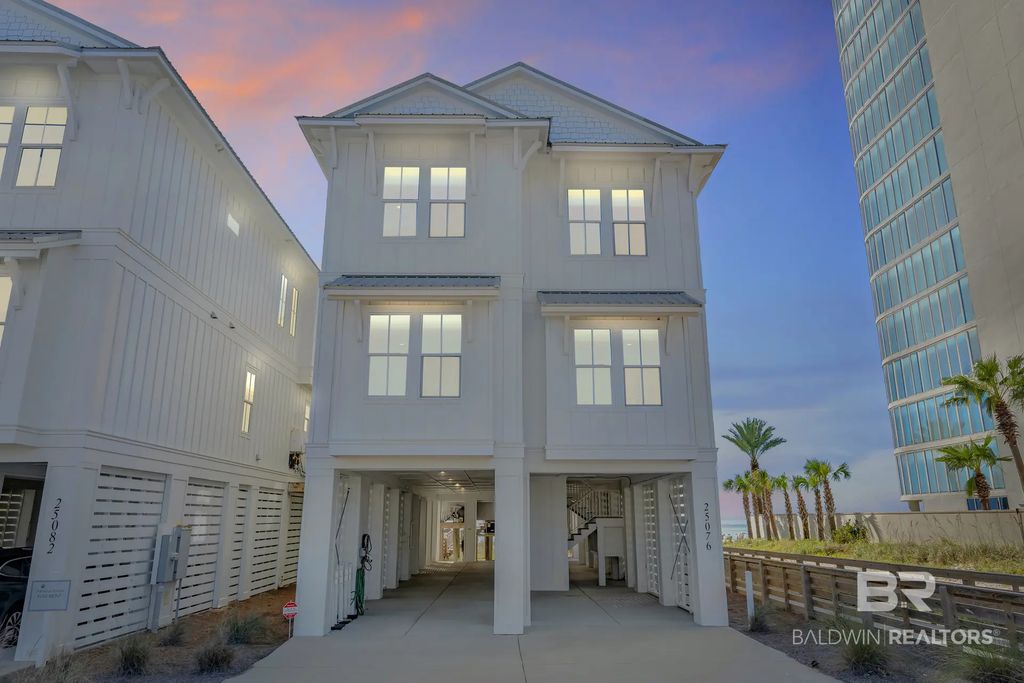


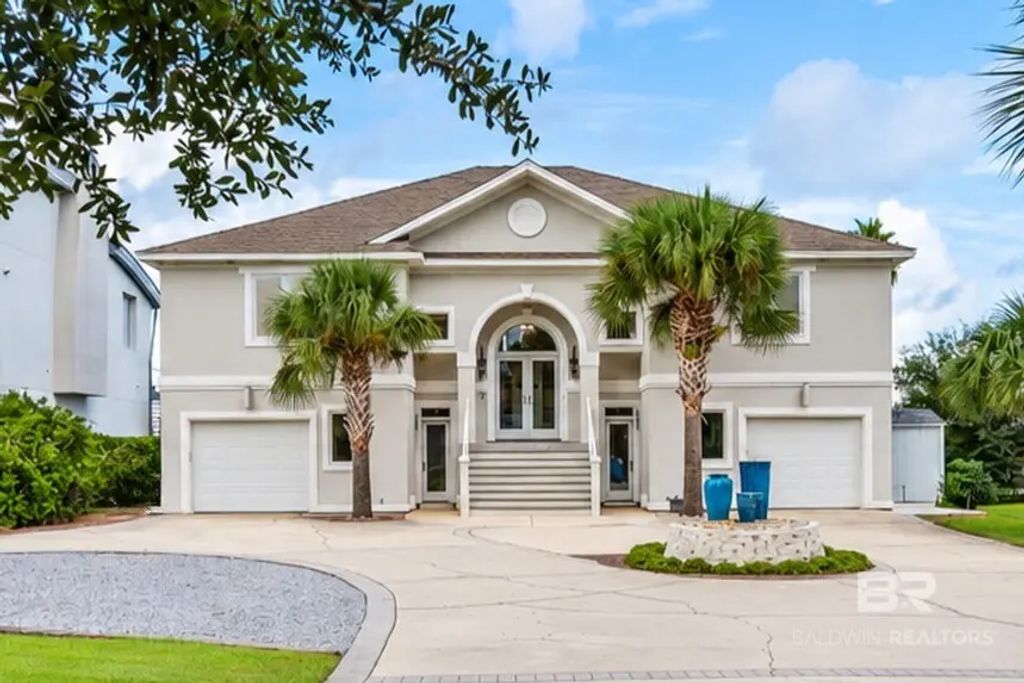
Ono Island Homes & Land for Sale – Luxury Waterfront Real Estate in Orange Beach Alabama



.gif)

Fort Morgan Sunset: A Peaceful October Evening | Meredith
Through Meredith’s Lens · Fort Morgan, Alabama
An October Sunset at the End of Fort Morgan Road
By Meredith · October 13, 2026
Tonight, I stood at the end of Fort Morgan Road and watched a perfect October sky settle over the Gulf. Pale blue gave way to apricot and rose, with a ribbon of gold…

Long Bayou Preserve Orange Beach: New Site Plan & Update
Ask A Question or Sign Up To See New Real Estate Listings Before Your Competition
When it comes to finding the home of your dreams in a fast-paced market, knowing about new listings as soon as they are available is part of our competitive advantage.Sign up to see new listings in an area or specific community. Contact Meredith with any questions you may have.
Enjoy this blog post? Click here to subscribe for updates
Leave A Comment