

STUCCO VS. EIFS ON THE GULF COAST: WHAT I WANT BUYERS AND SELLERS TO KNOW
_(800_x_150_px)_(2).gif)
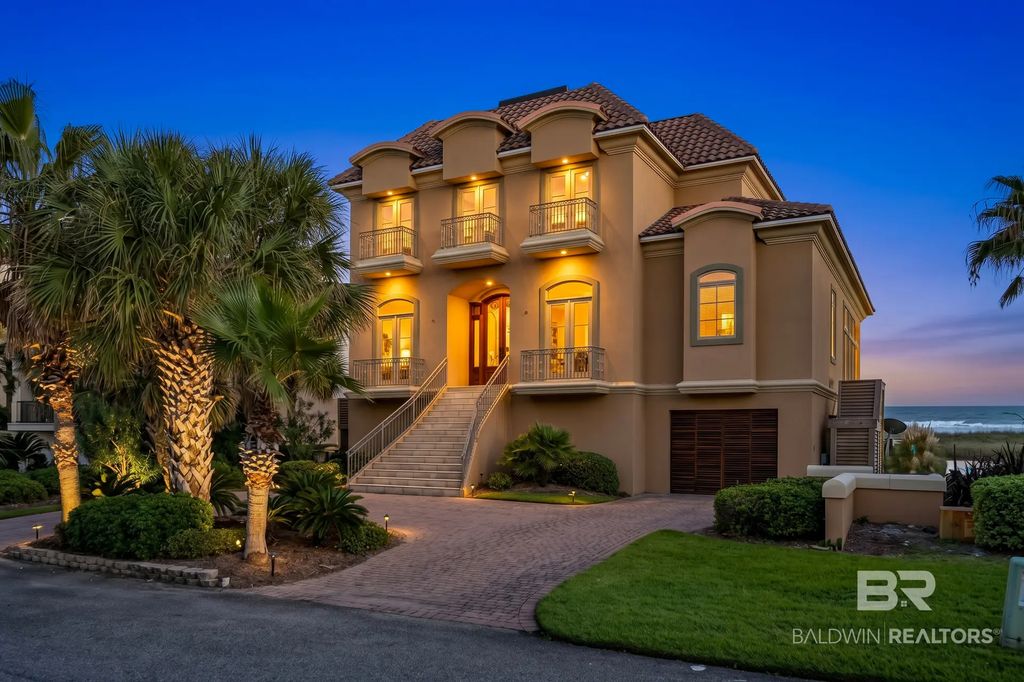
Along the Alabama–Florida coastline, stucco shows up everywhere, from newer custom builds to classic condo architecture. The aesthetics can be pitch-perfect, and when the system is detailed with intention, it yields timeless elegance. But on the Gulf Coast, wind-driven rain, humidity, and salt air make one thing non-negotiable: water management has to be masterfully blended into the wall system, not treated as an afterthought.
On the Gulf Coast, the finish you see is never the full story. The real performance lives in the layers you cannot see: the water-resistive barrier, the flashings, and the sealant joints.
Meredith Folger AmonIn this guide, I break down what stucco is, what EIFS is, what “good EIFS” and “bad EIFS” typically mean in the real world, and what to look for during showings and inspections. If you are comparing homes in Orange Beach, Ono Island, and Gulf Shores, this is one of those details that can quietly shape long-term maintenance and resale confidence.
Quick Definitions: Traditional Stucco vs. EIFS
| System | What it is | Why people like it | Where problems start |
|---|---|---|---|
| Traditional Stucco | Cement-based plaster (typically multiple coats) over lath, with a finish texture coat. | Durable look, classic coastal architecture, good impact resistance when installed correctly. | Cracks, poor flashing, missing weep screeds, improper clearances, and water trapped behind the finish. |
| EIFS (Exterior Insulation and Finish System) | Foam insulation board attached to the wall, covered with mesh + base coat, then an acrylic finish coat. | Smooth, high-end appearance; design flexibility; improved insulation potential. | Older “barrier” EIFS (no drainage path) plus weak window/door detailing can trap moisture in the wall assembly. |
The “Good EIFS” vs. “Bad EIFS” Conversation
What people usually mean by “bad EIFS”
“Bad EIFS” is usually shorthand for older barrier EIFS (commonly associated with 1990s-era moisture issues in humid climates) or any EIFS install where water intrusion details were not handled correctly. Barrier EIFS assumes water will not get behind the surface. Along the Gulf, that assumption is optimistic.
What I consider “good EIFS” for coastal conditions
“Good EIFS” is typically a drainage EIFS (often called “water-managed EIFS”) that is designed with a drainage path behind the insulation board and paired with a properly detailed water-resistive barrier (WRB), flashings, and sealant joints. In other words, it is designed for real life.
How Traditional Stucco Is Built
Typical coastal-friendly assembly (simplified)
- Substrate: Sheathing over framing or masonry base wall.
- WRB: Commonly two layers of building paper/WRB over wood-framed sheathing (the second layer can act as a slip sheet).
- Lath + accessories: Metal lath, corner beads, and most importantly weep screed at the bottom termination so moisture can exit.
- Scratch coat: First cement coat, scored for keying.
- Brown coat: Second coat to build thickness and flatten the plane.
- Finish coat: Texture and final appearance.
- Sealants: At control joints and transitions, using compatible, high-quality exterior sealant.
How it is “sealed”
Stucco is not waterproof by itself. It is a cladding that sheds most water, but the system relies on WRB + flashings + weep details to manage what gets behind it. Paint or elastomeric coatings can improve water shedding, but they do not replace proper flashing and drainage.
How EIFS Is Built
Typical drainage EIFS assembly (simplified)
- Substrate: Sheathing or masonry.
- WRB: A continuous water-resistive barrier, fully integrated with openings.
- Drainage plane: Grooved foam, vertical ribbons of adhesive, or dedicated drainage mat (varies by manufacturer/system) to allow incidental water to move down and out.
- Insulation board: EPS or similar foam attached to the wall.
- Base coat + mesh: Reinforcing mesh embedded in base coat, with extra reinforcement at corners and high-impact areas.
- Finish coat: Acrylic finish for color/texture.
- Sealant joints: Around windows/doors and at transitions, properly sized and tooled with backer rod where required.
How EIFS is “sealed”
EIFS depends heavily on correct sealant joints and correct flashing integration. The finish coat itself is water-resistant, but the real protection is the continuity of the WRB, the drainage path (for modern systems), and correctly executed transitions at openings and roof lines.
What I Look For During Showings on the Gulf Coast
Red flags that deserve a closer look
- No weep screed at the bottom of stucco, or stucco buried into grade/mulch.
- Minimal clearance where stucco/EIFS meets sidewalks, decks, or soil (wicking risk).
- Cracks that look “mapped” and recur in the same areas, especially at window corners.
- Staining below windows, roof-wall intersections, or balcony edges.
- Soft spots or a “hollow” sound in localized areas (not always a defect, but it is a reason to inspect carefully).
- Missing kickout flashing where a roof edge dumps water into a wall.
- Poorly sealed penetrations (hose bibs, light fixtures, exhaust vents, outdoor showers, rail attachments).
- Caulk that is failing (gapped, brittle, pulled away) around openings and transitions.
Green flags that build confidence
- Clean, continuous drip edges and properly finished terminations.
- Thoughtful flashing at windows/doors and roof-wall intersections.
- Proper control joints (stucco) and clean sealant lines where joints belong.
- Evidence the owner or association maintains sealants and repainting on schedule.
Inspection Tips I Recommend
Questions worth asking
- Is the EIFS system drainage EIFS (water-managed) or an older barrier-style system?
- What WRB was used, and how were windows/doors integrated (tape, flashing membranes, pan flashing)?
- Were kickout flashings installed at roof-to-wall transitions?
- When were sealant joints last replaced or serviced?
- Is there documentation of the installer, system manufacturer, warranty, and any past repairs?
Maintenance Reality on the Coast
The Gulf Coast asks more of exterior finishes. Salt air and humidity are constant, and heavy rain can be sideways. The maintenance plan that tends to hold up best is simple and consistent:
- Annual visual check of sealants, window perimeters, roof-wall transitions, and penetrations.
- Keep clearances (do not let mulch, soil, or planters ride up against the wall system).
- Manage water: gutters, downspouts, splash blocks, and grading that moves water away from the foundation.
- Recoat when appropriate: breathable coatings for stucco, and manufacturer-compatible finishes for EIFS.
- Avoid constant wetting from sprinklers hitting the walls.
My Bottom Line for Buyers and Sellers
Stucco and EIFS can both be outstanding choices on the Gulf Coast. The difference is rarely the label. It is the details: the WRB, the flashings, the drainage path (for EIFS), and the discipline of sealing and maintaining transitions. When these pieces are done right, the result is a clean look, strong performance, and a notable boost in long-term confidence.
Call or Text:
Call or Text Meredith on her direct line. 970/389.2905
Email me: https://www.searchthegulf.com/contact/
Meredith Folger Amon is a Gulf Coast Expert Real Estate Advisor, licensed in Alabama and Florida. She specializes in helping buyers and sellers navigate the buying and selling of homes along the Gulf Coast.
Educational note: This article is general information, not construction, legal, or engineering advice. Always consult qualified licensed professionals for property-specific evaluation.
Back to Top #searchthegulf #meredithfolger #becausewelivehere
Search Coastal Alabama Homes and Real Estate For Sale

.gif)
 By Meredith Folger Amon | October 13, 2026
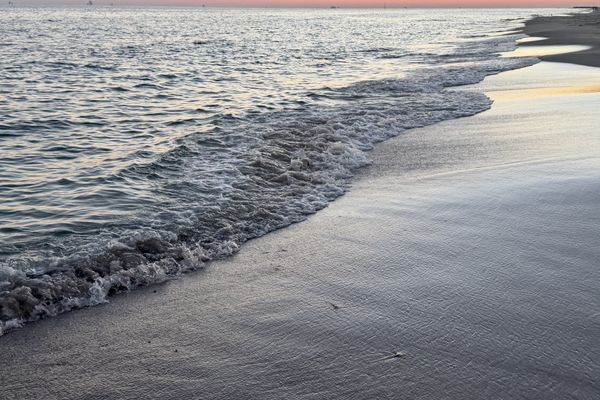
Fort Morgan Sunset: A Peaceful October Evening | Meredith
Through Meredith’s Lens · Fort Morgan, Alabama
An October Sunset at the End of Fort Morgan Road
By Meredith · October 13, 2026
Tonight, I stood at the end of Fort Morgan Road and watched a perfect October sky settle over the Gulf. Pale blue gave way to apricot and rose, with a ribbon of gold…
By Meredith Folger Amon | September 24, 2026
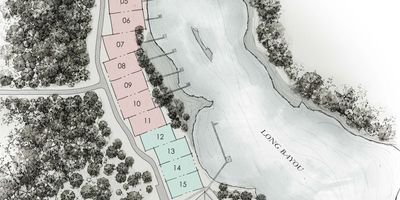
Long Bayou Preserve Orange Beach: New Site Plan & Update
Signup is free and takes only a few seconds
Ask A Question or Sign Up To See New Real Estate Listings Before Your Competition
When it comes to finding the home of your dreams in a fast-paced market, knowing about new listings as soon as they are available is part of our competitive advantage.Sign up to see new listings in an area or specific community. Contact Meredith with any questions you may have.





Fort Morgan Sunset: A Peaceful October Evening | Meredith
Through Meredith’s Lens · Fort Morgan, Alabama
An October Sunset at the End of Fort Morgan Road
By Meredith · October 13, 2026
Tonight, I stood at the end of Fort Morgan Road and watched a perfect October sky settle over the Gulf. Pale blue gave way to apricot and rose, with a ribbon of gold…
Long Bayou Preserve Orange Beach: New Site Plan & Update
Ask A Question or Sign Up To See New Real Estate Listings Before Your Competition
When it comes to finding the home of your dreams in a fast-paced market, knowing about new listings as soon as they are available is part of our competitive advantage.Sign up to see new listings in an area or specific community. Contact Meredith with any questions you may have.
<!-- End Constant Contact Active Forms
Posted by Meredith Folger Amon onEnjoy this blog post? Click here to subscribe for updates
Leave A Comment