

Why Old River Looks “Lower” in Winter Around Ono Island
_(800_x_150_px)_(2).gif)

If you live near (or shop for waterfront property on) Ono Island in Orange Beach, you have probably noticed it. In winter, Old River (sometimes called “Ole River” in conversation) can look dramatically lower. Sandbars show themselves. Dock pilings look taller. Some stretches feel shallower than you remember from summer.
This is normal for our back-bay system on the Alabama side of Perdido Bay. Most of the “winter low water” look is driven by wind, barometric pressure, and timing with tides, not a problem with the river itself.
The quick takeaway
Winter cold fronts bring strong north and northwest winds that push water out of the back bays and rivers, plus higher barometric pressure that can suppress sea level.
When wind setdown lines up with a low tide, shallow areas and sandbars can appear suddenly, even if nothing “changed” on the bottom.

1) Winter winds create “wind tide” and setdown
Old River is part of an estuarine network connected to Perdido Bay and the Gulf through Perdido Pass. In our shallow back-bay environment, wind can move water around as much as the tide does. After a winter front, a sustained north or northwest wind can physically push water out of Old River and into the larger bay and Gulf system. Locals often call this a “wind tide,” and the effect is real.
In summer, we more commonly get southerly winds that can “pile” water back into the bays. Winter flips that pattern more often, so the same shoreline can look completely different depending on the wind direction and duration.
“After a strong north wind, Old River can look like it lost a foot overnight. Give it a tide cycle and a wind shift, and it often comes right back.”
Shared with me by an Ono Island homeowner who watches the waterline daily2) Barometric pressure can suppress water levels
Winter fronts typically come with higher pressure. Higher atmospheric pressure can slightly “press down” on the water surface, contributing to lower observed water levels along the coast and in connected bays. The change is usually incremental, but when you combine it with wind-driven setdown and a low tide, the visual impact can be significant around docks, seawalls, and shallow edges.
3) Tides do not stop in winter, but the timing can make lows look lower
The tide keeps cycling year-round. What changes is the stacking effect. A normal low tide plus wind setdown plus higher pressure equals a lower-looking shoreline. If you happen to be outside during that overlap, it can feel like the river “drained.”
Practical note: if you are evaluating a waterfront home or planning dock work, it is worth viewing the property once during a winter low-tide window. It gives you a clearer picture of how the shoreline behaves at its most exposed.
4) Rainfall and freshwater inflow patterns can add to the seasonal difference
Summer storms and frequent rainfall can raise water levels in the broader estuary system through increased runoff and freshwater inflow. Winter can be comparatively drier for stretches, and the combination of less inflow plus winter wind patterns can make the back-bay waterline sit lower more often.
5) Sandbars and bottom contours are always shifting
Sandbars are not fixed. Currents, boat wakes, tidal flows, and storm events move sediment around. In many winter periods, it is not that a new sandbar “appeared,” it is that the waterline dropped enough for you to finally see what is usually hidden. Then, one strong weather change can re-shape that edge again.
What this means for waterfront homeowners on Ono Island
- Dock planning: Winter low water is a useful reality-check for ladder height, lift placement, and how much vertical swing you need for safe boarding.
- Seawalls and bulkheads: Exposed toe lines and corners become easier to inspect in winter. It is a good time to spot early erosion patterns.
- Maintenance timing: Many owners schedule inspections, minor repairs, and shoreline evaluations in the off-season when access is simpler and visibility is better.
What this means for boaters in Old River during winter
My neighbors who run Old River year-round repeat the same advice: treat winter low water like a different season of navigation. Lines you cut in July can be too skinny in January.
- Go slow in known shallow stretches: Sandbars can extend farther than expected after a sustained north wind.
- Use current tide predictions and local conditions: Wind direction matters as much as the published tide height in our back-bay system.
- Approach docks with patience: If you are used to stepping off at a certain height, winter lows can change that safely by several inches.
Thinking about buying or selling on the water near Old River
I can help you compare streets, canal depths, dock profiles, and boating access factors that matter in real life, including how winter lows can affect your day-to-day use. Start here for current listings and local guides: www.searchthegulf.com.
Call or Text me here:
Call or Text Meredith on her direct line. 970/389.2905
Meredith Folger Amon is a Gulf Coast Expert Real Estate Advisor, licensed in Alabama and Florida. She specializes in helping buyers and sellers navigate the buying and selling of homes along the Gulf Coast.
Frequently asked questions I hear each winter
Is something wrong with Old River when it gets low
Most of the time, no. The winter “low water look” is typically a temporary combination of wind setdown, higher pressure, and tide timing.
Does cold weather itself make the water drop
Temperature can change water density, but what you see along the shoreline is usually dominated by wind, pressure, and tide conditions rather than water “shrinking.”
When does it usually come back up
Often within a tide cycle or two once winds shift, pressure relaxes, or a southerly wind returns. The biggest swings usually follow winter fronts.
Local perspective, with real estate in mind
One reason I like explaining this to buyers and sellers is simple: the Gulf Coast is a water-driven lifestyle, and understanding seasonal water behavior helps you make better decisions about dock use, lift placement, shoreline expectations, and even which canal or bay frontage is the right fit. If this article helped, drop me a quick note and tell me what stretch of Old River you are watching this winter.
Explore more about Ono Island homes and waterfront living, plus boating-friendly resources here: Boating on the Gulf Coast.
Back to Top
Through Meredith’s Lens · Fort Morgan, Alabama
When it comes to finding the home of your dreams in a fast-paced market, knowing about new listings as soon as they are available is part of our competitive advantage.Sign up to see new listings in an area or specific community. Contact Meredith with any questions you may have. #searchthegulf #meredithamon #becausewelivehere
Ono Island Homes & Land for Sale – Luxury Waterfront Real Estate in Orange Beach Alabama

.gif)
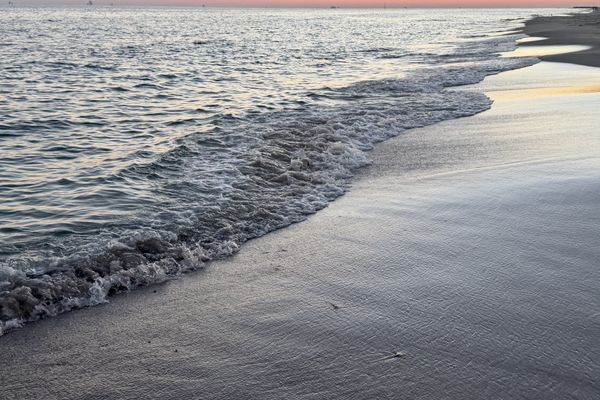

Fort Morgan Sunset: A Peaceful October Evening | Meredith
An October Sunset at the End of Fort Morgan Road
By Meredith · October 13, 2026
Tonight, I stood at the end of Fort Morgan Road and watched a perfect October sky settle over the Gulf. Pale blue gave way to apricot and rose, with a ribbon of gold…
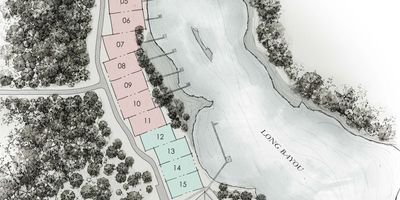
Long Bayou Preserve Orange Beach: New Site Plan & Update
Ask A Question or Sign Up To See New Real Estate Listings Before Your Competition




<!-- End Constant Contact Active Forms
Posted by Meredith Folger Amon onEnjoy this blog post? Click here to subscribe for updates
Leave A Comment