
GULF COAST 2026 SELF-DRIVING CARS
_(800_x_150_px)_(2).gif)
Living and working along the Gulf Coast, I pay close attention to the way technology is changing everyday life, and one subject I think more people will be asking about in 2026 is the future of self-driving cars. Whether someone is commuting between showings, heading to the airport, or simply curious about where automotive technology is going next, this topic has moved from science fiction to something much more real. At the same time, I think it is important to separate the idea of a truly autonomous car from the advanced driver-assistance systems many people are already using today. Most systems on consumer vehicles require the driver to stay fully attentive and engaged, even when the car is helping with steering, braking, or lane centering.
So when I talk about self-driving cars in 2026, I think the honest conversation is this: the technology is getting smarter, more capable, and more useful, but for most personally owned vehicles, we are still in an era of supervised automation rather than carefree, hands-off driving.
Do self-driving cars use cameras
Yes, cameras are a major part of the picture, but not the whole picture. Tesla's traffic light and stop sign control uses forward-facing cameras along with GPS data, and its Full Self-Driving Supervised materials say the vehicle slows and stops for traffic lights and stop signs and reacts to pedestrians, cyclists, and other vehicles.
Other systems add even more layers. Mercedes-Benz DRIVE PILOT uses radar, LiDAR, cameras, ultrasonic sensors, microphones, a wetness sensor, and a high-definition map. Waymo vehicles use cameras, radar, LiDAR, and even an audio detection system to recognize emergency vehicles and road conditions.
To me, that is one of the most important things for people to understand in 2026. When someone asks whether a self-driving car “just uses cameras,” the answer is usually no. Cameras are essential, but the more advanced systems are combining multiple kinds of sensors so the vehicle can see, hear, locate, and interpret what is happening around it.
Do they detect red lights and stop signs
In many cases, yes. Tesla’s owner materials say its traffic light and stop sign control is designed to recognize and respond to traffic lights and stop signs, using forward-facing cameras and GPS data, and its supervised system is described as slowing down and stopping at traffic lights and stop signs as necessary.
Waymo has also described how its driver handles dark traffic signals as four-way stops, though it may sometimes seek confirmation checks in unusual conditions. That is a good reminder that even sophisticated systems are designed around caution and edge cases, not perfection.
So the simple answer is yes, many advanced systems can detect and respond to traffic controls. The more honest answer is that performance depends on the system, the operating conditions, visibility, mapping, and whether the vehicle is being used inside the environment it was designed for.
Do they detect emergency vehicles
This is one of the most important questions, and the answer is that some advanced systems are specifically designed to do so. Waymo says its vehicles identify emergency vehicles and first responders by detecting features such as sirens and emergency lights, and the company has described using an in-house audio detection system along with cameras, radar, and LiDAR.
Mercedes-Benz DRIVE PILOT can be deactivated when first responders or law enforcement activate emergency lights and sirens nearby, triggering a takeover request after the system detects the flashing lights and sirens with cameras and interior microphones. Mercedes microphones are included specifically for detecting blue lights and other signals from emergency vehicles.
I would still be careful about turning that into a blanket statement for every brand or every feature package. Some systems are expressly built for this. Others are more limited. Consumer vehicles on sale today still require a fully attentive human driver.

Advantages in 2026
The biggest advantage is safety potential. Driver-assistance technologies can help reduce crashes, and the broader promise of automation is tied to reducing human-error-related collisions.
I also see convenience as a real advantage. Long commutes, heavy traffic, airport runs, and repetitive highway driving are exactly the kinds of situations where better automation can take some stress out of the drive, especially when the system is operating as designed.
For Florida specifically, there is also a legal framework that already contemplates fully autonomous vehicles, and in 2026 Waymo expanded public autonomous ride service to Orlando, showing that Florida is part of the live rollout story, not just the future story.
Disadvantages in 2026
The biggest disadvantage is confusion. The phrase “self-driving” can make people think the car is more capable than it really is. Today’s driver-assistance systems are not self-driving, and the driver must remain attentive.
Another disadvantage is that capability depends heavily on where, when, and how the system is being used. Some advanced features are geofenced, some work only on mapped roads or in certain traffic conditions, and some require the driver to take back control when conditions change.
I also think there is a practical trust issue. Coastal weather, glare, heavy rain, construction zones, pedestrians, golf carts, bicyclists, bridges, and beach traffic all create real-world complexity. Even when the technology is impressive, I do not think most Gulf Coast drivers should treat it like a substitute for judgment. That conclusion is my own inference from the limitations and supervision requirements described by regulators and manufacturers.
“In 2026, the real conversation is not whether cars are becoming more autonomous. They are. The real question is whether drivers understand where the technology helps and where human judgment is still essential.”
What I think this means for the Gulf Coast
For our stretch of the coast, I think 2026 is more about learning to use advanced driver-assistance wisely than expecting personally owned cars to fully handle every drive from Orange Beach to Pensacola or from Ono Island to Mobile without supervision. That is especially true in areas with sudden congestion, beach traffic, storms, roadwork, and unpredictable local driving patterns. My view there is an inference based on the current deployment limits and supervision rules, not a claim that the Gulf Coast has unique restrictions.
I do believe we are moving toward a future where cars become better at seeing lane lines, recognizing red lights, responding to traffic, and identifying emergency vehicles. I just also believe that in 2026, the smartest approach is to respect the technology without overestimating it.
Final thoughts from Meredith Folger Amon
If you ask me whether self-driving cars in 2026 use cameras, the answer is yes. If you ask me whether they can detect red lights, in many cases yes. If you ask me whether they can detect emergency vehicles, some of the more advanced systems are specifically designed to do that. The part I would underline, though, is that capability is not the same thing as independence.
Along the Gulf Coast, I think the winning mindset is to welcome innovation, stay informed, and keep a hand on reality. The future is arriving, but in most personally owned vehicles, it still wants you watching the road.
_(800_x_150_px).gif)
#searchthegulf #meredithfolger #becausewelivehere
SEARCH ORANGE BEACH REAL ESTATE LISTINGS FOR SALE
- All Listings
- $100,000 - $200,000
- $200,000 - $300,000
- $300,000 - $400,000
- $400,000 - $500,000
- $500,000 - $600,000
- $600,000 - $700,000
- $700,000 - $800,000
- $800,000 - $900,000
- $900,000 - $1,000,000
- Over $1,000,000





.gif)
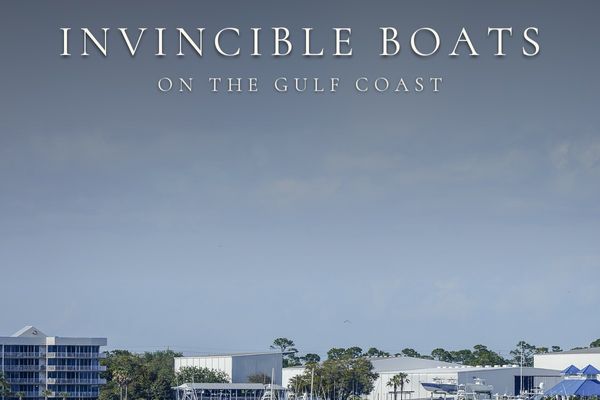

Invincible Boats at the 2026 Fort Lauderdale Boat Show | Booth 2032 & Pier 66
Fort Lauderdale International Boat Show · Oct. 28 – Nov. 1, 2026 Invincible Boats at the 2026 Fort Lauderdale International Boat Show: Booth 2032 & Pier 66 Sea Trials Invincible is a name you hear every day around Orange Beach, Ono Island, and Perdido Pass. Here is where to see five of their boats in…
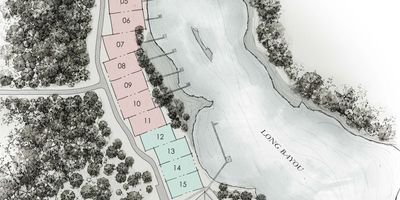
Long Bayou Preserve Orange Beach: New Site Plan & Update
Ask A Question or Sign Up To See New Real Estate Listings Before Your Competition
When it comes to finding the home of your dreams in a fast-paced market, knowing about new listings as soon as they are available is part of our competitive advantage.Sign up to see new listings in an area or specific community. Contact Meredith with any questions you may have.
Posted by Meredith Folger Amon on
Enjoy this blog post? Click here to subscribe for updates
Leave A Comment