
The Search The Gulf Coastal Homeowner's Guide
Before the Palms Begin to Bend
My practical Gulf Coast hurricane preparation guide for Orange Beach, Ono Island and Coastal Alabama homeowners, condo owners, boaters, buyers and sellers.
By Meredith Folger Amon | Gulf Coast Real Estate Advisor
_(800_x_150_px)_(2).gif)
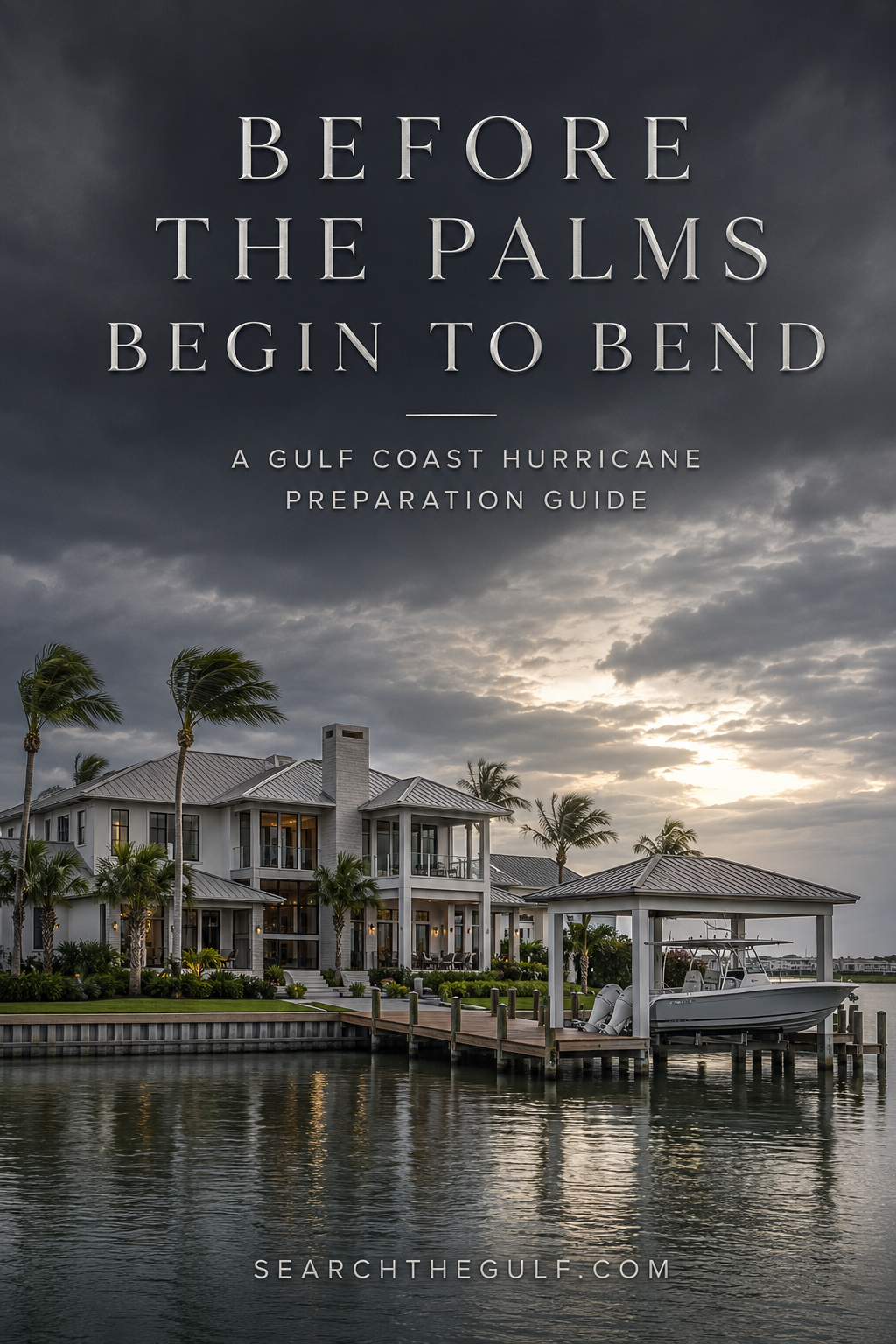
There is a particular kind of stillness on the Gulf Coast before the weather changes. The water can look polished as pewter. The palms may barely stir. Boats rest quietly in their lifts, and porches are still arranged for morning coffee. It is beautiful—but those of us who call this coast home understand that a blue-sky day is precisely when hurricane preparation should begin.
I live here, and I never want hurricane preparation to feel like fear. I want it to feel like stewardship: caring for the people we love, the homes we have worked for, the boats that carry us into our happiest days, and the neighbors who make this place feel like home. The finest preparation is usually quiet and unglamorous. It is a labeled shutter panel, a current insurance declaration page, a full prescription, a photographed room, a tested generator and an evacuation route discussed long before anyone needs it.
My central adviice is simple: do not prepare only for the category of a storm. Prepare for the entire tropical threat—storm surge, freshwater flooding, wind, tornadoes, dangerous surf, power loss, blocked roads and the long, hot work of recovery.
“The best hurricane plan is the one made while the Gulf is calm, the roads are open and everyone can still think clearly.” — Meredith
First, Know the Difference Between the Forecast and Your Risk
The Atlantic hurricane season runs from June 1 through November 30, with our region's historical peak generally arriving in August and September. Yet a calendar and a seasonal outlook cannot tell any one household what will happen. It only takes one storm affecting our stretch of coast to make the season personal.
A forecast cone shows the probable path of a storm's center; it is not a boundary around the impacts. Wind, rain, tornadoes and storm surge can extend far beyond that centerline. A lower-category hurricane or tropical storm may still produce life-threatening water. That is why I watch trusted local information and resist the temptation to make decisions from a single social-media graphic.
Hurricane or Tropical Storm Watch
Conditions are possible. A watch is the time to complete—not begin—the plan, because outdoor preparation becomes dangerous once tropical-storm-force winds arrive.
Hurricane or Tropical Storm Warning
Conditions are expected. Finish preparations, follow official instructions and leave immediately if your area is ordered to evacuate.
Storm Surge Watch or Warning
This concerns potentially life-threatening water moving inland from the shoreline. Storm surge does not neatly correspond to a storm's wind category.
Extreme Wind Warning
This is an urgent warning associated with extreme eyewall winds. It is the final call to shelter immediately in the safest interior location available.
My Blue-Sky Hurricane File
I recommend that every Gulf Coast property owner keep one portable, waterproof hurricane file and one secure digital backup. If you own a second home or vacation property, keep copies somewhere you can reach even when you are away from the coast.
- Homeowners, wind, flood, boat and umbrella insurance policies, including agent and claims contact information
- Current photographs and a slow video walk-through of every room, closet, garage, exterior elevation, dock, lift and major improvement
- Receipts, serial numbers and appraisals for valuable furnishings, electronics, art, jewelry and equipment
- Roof age, permit records, warranties, FORTIFIED designation documents and recent inspection records
- Elevation certificate, survey, floor plan and a list of utility shutoffs
- HOA, POA, condominium association, marina and property-management emergency contacts and procedures
- Identification, prescriptions, medical records, pet vaccination records and emergency contacts
- Proof of property ownership or residency for possible controlled re-entry
This is also a good time to speak with a knowledgeable coastal insurance professional. Most homeowners policies do not cover flood damage, and wind, flood, contents, loss assessment and boat coverage may be handled separately. I never assume that last year's coverage still fits this year's property improvements or replacement costs.
Walk the Property Before the Season, Not Before the Storm
Good hurricane preparation begins with an honest walk around the house. I look upward first: roof coverings, flashing, soffits, gutters and overhanging limbs. Then I look at every opening—windows, exterior doors and especially the garage door. A beautiful coastal home is still only as ready as its most vulnerable opening.
- Have qualified professionals inspect aging or damaged roofing and confirm that repairs comply with current requirements.
- Test shutters and panels; locate every fastener; label panels by opening; and store them flat where they can be reached quickly.
- Confirm that garage doors, tracks, exterior doors and hardware are properly rated and maintained.
- Trim dead or weak limbs and address damaged fencing before high winds turn loose material into debris.
- Clear gutters and drainage paths. Do not allow yard debris to block the water's route away from the structure.
- Know how—and under what circumstances—to shut off electricity, water and gas. Use a licensed professional if anything is unclear.
- Service the generator and transfer equipment according to manufacturer and licensed-electrician guidance; never improvise a connection.
A Separate Plan for Boats, Docks and Lifts
Boating is one of the great privileges of life in Orange Beach and on Ono Island, but a lift is not a hurricane plan by itself. Long before a storm enters the Gulf, I want boat owners to understand their insurance requirements, marina contract, manufacturer guidance and the safest location for the particular vessel.
- Read the marina or storage contract now and note deadlines, responsibilities and hurricane-haul procedures.
- Ask the insurer and manufacturer for the approved storm plan for the vessel, trailer, lift and location.
- Arrange haul-out or alternate storage early; the NWS guide advises removing trailerable boats from the water and securing them at least 48 hours before expected landfall.
- Inventory mooring lines, chafe protection, anchors and fenders, and replace anything worn before it is needed.
- Photograph the boat, hull identification number, engines, electronics, trailer, dock and lift.
- Remove loose gear, canvas and items that can become windborne, following professional and manufacturer guidance.
- Never remain behind—or return into unsafe conditions—to tend a boat.
For buyers considering waterfront property, boating compatibility is about more than the view. Dock condition, lift capacity, electrical service, water depth, bridge clearance, evacuation logistics and storm exposure all deserve careful review. I explore these questions throughout my Ono Island waterfront homes, architecture and boating guide.
Condo Owners Need Two Plans
A condominium owner needs a personal plan and a clear understanding of the association's plan. I would never assume the building staff will move balcony furniture, protect a vehicle or preserve refrigerator contents. Elevators may be taken out of service, access may be restricted and utility restoration may take time.
- Review the association's written hurricane procedures and emergency contacts.
- Clarify what the master policy covers and review HO-6, contents, flood and loss-assessment coverage with an insurance professional.
- Remove every balcony item early, including furniture, rugs, planters and décor.
- Know the parking plan and whether vehicles must be moved from lower levels.
- Plan for elevator shutdowns, controlled access and delayed re-entry.
- If the condo is rented, confirm exactly who prepares the unit and how guests are notified or relocated.
Owners comparing buildings can begin with my guide to Orange Beach condos for sale and my discussion of Gulf Coast condo insurance considerations.
Build an Emergency Kit You Would Actually Use
A thoughtful kit is not a random collection of supplies. It should fit the number of people and pets in the household, their health needs, the evacuation destination and the realistic possibility of several days without ordinary services. The NWS recommends supplies for at least 72 hours and preferably up to one week.
- Water—at least one gallon per person per day—and nonperishable food for three to seven days
- Prescriptions, first-aid supplies, hygiene items and special supplies for infants, older adults or anyone with medical needs
- Battery-powered NOAA Weather Radio, flashlights, spare batteries and charged backup power banks
- Sturdy shoes, rain gear, work gloves, eye protection, bedding and a change of clothing
- Cash in small bills, keys, maps and copies of important documents in a watertight container
- Pet food, water, medications, identification, vaccination records, leash, carrier and familiar comfort items
- A separate vehicle kit with charger, flashlight, first aid, water, snacks and basic tools
When a Storm Enters the Gulf
This is when a written timeline keeps nervous energy from becoming confusion. I begin with the decisions that take the most time and work toward the smallest details.
First: confirm the decision points
Check the official forecast, local evacuation zone, evacuation route, destination, fuel or vehicle charge, lodging and pet arrangements. Tell an out-of-area contact where you plan to go and how you will travel. If anyone needs transportation assistance, make those arrangements through local emergency management before conditions deteriorate.
Next: protect the property
Install shutters while conditions are safe. Bring in furniture, planters, tools, grills and garbage cans. Photograph the interior and exterior again. Charge devices, fill prescriptions, secure documents and cool the refrigerator and freezer. Follow official instructions regarding pools, propane and utility shutoffs.
Then: leave early if leaving
Storm surge can cut off roads before the center of the storm arrives. Heavy traffic, fuel shortages and worsening weather are poor companions. When officials say go, I believe in going without delay and taking pets along.
Generator Safety Deserves Its Own Conversation
A generator can preserve food and make an outage more bearable, but carbon monoxide cannot be seen or smelled. Current federal guidance says portable generators should be used outdoors and at least 20 feet from windows, doors and attached garages. Keep the unit dry, allow it to cool before refueling and use only correctly rated outdoor cords.
Never run a portable generator in a house, garage, carport, crawlspace or other enclosed or partly enclosed area. Never plug it into a household wall outlet—often called backfeeding. A permanently connected system should be installed and maintained by qualified professionals with proper transfer equipment.
After the Sky Clears, the Danger Has Not
The morning after a storm can be strangely bright, with leaves plastered to the road and familiar landmarks altered overnight. That first glimpse can create a powerful urge to hurry home. I understand it, but I wait for the official all-clear.
- Return only when local officials say it is safe, and carry proof of ownership or residency.
- Never drive around barricades or through floodwater; roads and bridges may be damaged beneath the surface.
- Assume downed lines and standing water may be electrically energized.
- If you smell or hear leaking gas, leave immediately and contact the utility from a safe location.
- Do not use plumbing if water or sewer lines may be damaged.
- Photograph damage before cleanup when safe, then contact the appropriate insurer promptly.
- Wear boots, gloves and eye protection. Leave structural debris, large trees and hazardous electrical work to qualified professionals.
- Use only water that local authorities have confirmed is safe; follow current public-health instructions rather than relying on an old treatment formula.
- Pace cleanup carefully. Heat illness, falls and chainsaw injuries are serious post-storm risks.
This is also the moment when Southern hospitality becomes something deeper than a gracious welcome. It is a charged phone offered across a driveway. It is checking on a neighbor, sharing verified information and recognizing when a job is too dangerous to tackle without help.
My Hurricane-Readiness Questions for Buyers and Sellers
Hurricane readiness should be part of coastal real estate due diligence—not an afterthought after closing. When I help buyers evaluate a Gulf Coast home, condo or homesite, I encourage questions such as these:
- What flood zone and base flood elevation apply, and is there a current elevation certificate?
- What are the current wind, homeowners, flood, contents and applicable association-coverage considerations?
- How old is the roof, and are permits, warranties, inspections and any FORTIFIED documents available?
- What shutters or impact-rated openings are present, and are all panels and fasteners included?
- Has the property experienced prior storm, water or insurance-claim history that should be investigated?
- How do drainage, finished-floor elevation, outdoor mechanical equipment and landscaping affect resilience?
- For condos, what are the association's evacuation, building-preparation, insurance and re-entry procedures?
- For waterfront homes, what is the documented plan for the dock, lift, vessel and electrical equipment?
- Is any generator professionally installed, permitted and operated through appropriate transfer equipment?
A well-organized seller can make this information easier for a buyer to understand. A careful buyer can use it to budget responsibly, obtain meaningful insurance quotations and appreciate the difference between a coastal home that simply looks beautiful and one whose details have been thoughtfully maintained.
Trusted Resources to Bookmark
National Weather Service Mobile/Pensacola
Localized forecasts, watches, warnings, tropical information, marine conditions and NOAA Weather Radio details.
The official source for tropical cyclone advisories, forecast products and marine preparedness information.
Baldwin County Emergency Management Agency
Local evacuation zones and routes, alerts, shelter information and county storm updates.
Local emergency-alert enrollment and official county messaging.
Ready.gov Hurricane Preparedness
Federal planning guidance for evacuation, emergency kits, pets, power outages and recovery.
National Flood Insurance Program / FloodSmart
Flood-risk, coverage and claim resources; most homeowners policies do not cover flood damage.
Preparedness Is Part of Loving Where We Live
I am always happy to help buyers and sellers ask better questions about Gulf Coast property—whether that means a home's roof and elevation documents, a condo association's procedures, or the practical realities of owning a boat-ready waterfront home.
Explore SearchTheGulf.com, the Gulf Coast's premier website for searching all real estate listings on the Gulf Coast, or contact me at meredith@searchthegulf.com.
Search Gulf Coast Real EstateImportant: This article is general educational information, not emergency-management, engineering, construction, legal or insurance advice. Conditions, evacuation orders, shelter availability and association procedures can change. Always follow current instructions from local officials, the National Weather Service and qualified professionals. Never delay evacuation to protect property.
About Meredith
Meredith has been a successful, full-time real estate advisor specializing in resort and coastal properties for more than 25 years. Licensed in both Alabama and Florida, she is proud to call the Gulf Coast—and beautiful Ono Island—home. Her local knowledge, extensive experience and genuine love for the coastal lifestyle shape the thoughtful guidance she provides to every buyer and seller.

SEARCH ORANGE BEACH REAL ESTATE LISTINGS FOR SALE, $800,000 - $900,000





.gif)

2026 MBGFC Labor Day Invitational | Orange Beach | Search The Gulf
Orange Beach · Boating Lifestyle
The 2026 MBGFC Labor Day Invitational: Celebrating Orange Beach’s Fishing and Boating Community
Thirty-eight teams, 222 anglers, 186 catches—and a Labor Day weekend that felt like one coastal family at the dock.
Explore Orange Beach Perdido Pass
On this…

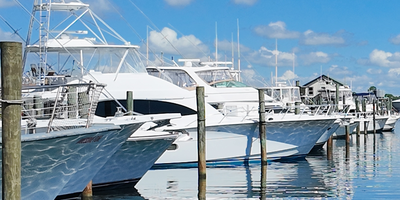
Cotton Bayou Marina Boats | Orange Beach Near Terry Cove

Orange Beach and Ono Island Real Estate Update September
Ask A Question or Sign Up To See New Real Estate Listings Before Your Competition
When it comes to finding the home of your dreams in a fast-paced market, knowing about new listings as soon as they are available is part of our competitive advantage.Sign up to see new listings in an area or specific community. Contact Meredith with any questions you may have.
Enjoy this blog post? Click here to subscribe for updates
Leave A Comment