
Ono Island Waterfront Real Estate • Boating Guide
The Ono Island Return-Trip Test: How a Waterfront Home Welcomes You Back
A signature Search The Gulf framework for evaluating the final—and often most revealing—part of a boating day.
_(800_x_150_px)_(2).gif)

There is a point late in a boating day when the water feels different.
The breeze may have freshened. The afternoon light has turned low and amber. Towels are damp, the cooler is lighter, and everyone aboard has settled into that pleasant, sun-tired quiet that comes after a full day on the Gulf Coast.
Then the home shoreline comes back into view.
The captain begins thinking about the approach. Someone gathers the lines. Another person wakes a sleeping child or secures the last loose bag. The boat slows, the wake falls away, and the final few minutes of the day begin.
That return can feel calm, intuitive and almost effortless. It can also reveal every weakness in a waterfront setup: poor visibility, a narrow turn, an exposed slip, inadequate lighting, an awkward lift control or a long, inconvenient path back into the house.
I am an Ono Island homeowner as well as a Gulf Coast real estate advisor, and I believe this final sequence deserves its own evaluation. I call it the Ono Island Return-Trip Test.
“A beautiful departure may sell the dream, but the return home often tells you whether the property truly works.”
The Return-Trip Test is a natural companion to my Ono Island Dock-to-Gulf Test. The Dock-to-Gulf Test evaluates the full boating journey. The Return-Trip Test narrows the lens to the final approach, docking, unloading, cleaning and transition back into the home.
It asks a deceptively simple question:
The Return-Trip Question
After the sun, wind, water and miles—how naturally does this property bring you home?
Why the Return Deserves Its Own Test
Most waterfront showings take place under favorable conditions. The boat may be resting neatly on the lift. The water is calm. The dock is dry, the light is flattering and no one is carrying fishing gear, groceries, wet towels or a tired child.
Real boating days are more complicated.
The wind may shift. The tide or water level may differ from the morning. A neighboring boat may be tied in a way that changes the turning room. The captain may be returning after dark or after making hundreds of small decisions offshore. Guests may be unfamiliar with line handling. The boat still needs to be secured, lifted, flushed, rinsed and unloaded.
None of these realities make a property undesirable. They simply reveal whether the marine improvements and the home work together.
The Return-Trip Test Evaluates
- The approach from the water
- Visibility, wind, wake and current
- Turning room and slip alignment
- Lighting, fenders, pilings and line handling
- Lift controls and boarding safety
- Unloading people, gear and provisions
- Engine flushing, washdown and storage
- The transition from dock to home
Can You Identify the Property Easily from the Water?
The test begins before the boat reaches the dock. From the water, is the home easy to recognize? Can the captain identify the correct canal opening, shoreline, dock or boathouse without hesitation?
In daylight this may seem obvious. At dusk, in rain or when several nearby docks have similar rooflines, recognition can become more important. Thoughtful dock lighting, a visible house number where permitted, a distinctive boathouse profile or a clear relationship to nearby landmarks can make the approach feel more intuitive.
I also think about guests and family members who may operate the boat without the most experienced captain aboard. A waterfront setup should not depend entirely on one person’s memory.
What Happens When the Wind, Wake or Current Is Working Against You?
A slip that feels generous on a still morning may behave differently when the afternoon breeze crosses the stern or a passing vessel sends wake toward the dock.
I look at the direction of the approach, nearby seawalls, open-water exposure, current, neighboring structures and the way the boat must turn before entering the slip. The goal is not to eliminate every natural force. Waterfront ownership always involves conditions. The goal is to understand how those forces interact with the specific dock and vessel.
Questions I Consider
- Does the wind tend to push the boat toward or away from the dock?
- Is there room to pause, realign or make a second approach?
- Do nearby pilings, lifts or moored vessels narrow the usable path?
- How does wake reflect from the seawall or shoreline?
- Can the captain see the guides and bunks clearly?
- Would the approach feel manageable after dark?
Does the Slip Allow a Calm, Forgiving Approach?
The best slip is not simply large enough for the boat once it is stationary. It allows the boat to enter, settle and be secured without unnecessary drama.
I consider usable width between pilings, guide placement, engine clearance, lift bunks, roof height, water depth and the angle required to enter. A vessel’s beam and length matter, but so do its turning characteristics, visibility from the helm and sensitivity to crosswind.
For a power catamaran, piling width and bunk compatibility may be especially important. For a large center console, the true operating weight and engine position can influence lift fit. For a sportfishing yacht, dependable deep-water dockage and line-handling space may become the priority.
“Slip fit is not a two-dimensional measurement. It is the relationship among the vessel, the dock, the water and the approach.”
Can Lines Be Handled Safely and Naturally?
A good return should not require a guest to make a heroic leap onto the dock.
I look for stable boarding points, reachable cleats, useful rub rails or fenders, secure handholds and adequate space for someone to step ashore and handle a line. The dock surface should be evaluated for traction, condition and changes in height relative to the boat.
The location of the lift control also matters. Can it be reached safely from the boat or dock? Is the operator positioned where the vessel remains visible while the lift rises? Is there a practical sequence for securing the boat before passengers begin unloading?
Does the Lighting Help—or Create Glare?
Dock lighting should make the return safer without flattening the water into a mirror of glare. Bright light aimed directly toward the helm can make pilings and depth harder to judge.
I prefer lighting that defines edges, steps, cleats, the walkway and the lift area. It should support the approach and unloading sequence while remaining considerate of neighboring properties and any applicable community requirements.
I also ask what happens if power is interrupted. Are flashlights stored nearby? Is there generator support? Can the lift be operated or safely secured during an outage? Those questions become especially relevant when a boat must be protected ahead of changing weather.
How Easily Can Everyone—and Everything—Come Ashore?
Once the boat is secure, the day is not over. People, coolers, rods, beach bags, wet towels and provisions still need to move from the dock into the house.
A short, level walkway may make this easy. Steep stairs, long distances or a circuitous route can make the final transition feel like a second expedition. For some buyers, an elevated home is expected and entirely workable; the important question is whether the circulation has been designed thoughtfully.
The Dock-to-House Flow
- Safe steps, railings and nighttime visibility
- A convenient waterside entrance
- Space to stage coolers and equipment
- Outdoor shower or rinse area
- Direct access to laundry, utility or mudroom spaces
- Protected storage for life jackets, lines and cushions
- A route that keeps wet gear out of formal living areas
Does the Property Support the Last Thirty Minutes?
The final thirty minutes may include flushing engines, rinsing salt from the boat, plugging in equipment, storing rods, carrying food inside and preparing the dock for the next outing.
Freshwater at the dock, well-positioned hose bibs, power, storage, an ice maker or freezer, rod organization and a practical trash route can make this sequence dramatically easier. These details may seem ordinary, but ordinary details determine how often the waterfront lifestyle feels enjoyable.
A house can be architecturally beautiful and still make boat cleanup unnecessarily difficult. The strongest properties connect the dock, outdoor living spaces, utility areas and storage into a coherent return path.

The Ono Island Return-Trip Scorecard
| Category | What I Evaluate |
|---|---|
| Water approach | Recognition, sightlines, route, traffic and room to realign |
| Conditions | Wind direction, current, reflected wake and exposure |
| Slip entry | Turning room, usable width, piling placement and guides |
| Line handling | Cleats, fenders, boarding points, handholds and safe footing |
| Lift operation | Control location, visibility, bunks, engine clearance and access |
| Lighting | Approach guidance, edge definition, glare and outage planning |
| Unloading | People, coolers, equipment, stairs and waterside entrance |
| Washdown | Freshwater, hoses, engine flushing, drainage and cleaning space |
| Storage | Lines, fenders, safety gear, tackle, cushions and wet equipment |
| House transition | Outdoor shower, utility areas, laundry, kitchen and guest flow |
I do not use this scorecard to produce one universal rating. A canal-front Ono Island home, an Ole River or Old River property, a Bayou St. John big-water home and an Intracoastal Waterway property offer distinctly different return experiences. The best match depends on the vessel, the captain, the household and the way the property will be used.
How the Return Changes by Waterfront Setting
Canal-Front Ono Island Homes
Protected water may make the final approach feel calmer, while canal width, turning room, neighboring docks and the route after dark deserve attention. Explore my local guide to canal-front Ono Island homes for sale.
Ole River & Old River Homes
Broad southern views and boating activity create a beautiful setting. Individual wake exposure, water depth and dock orientation should be evaluated carefully when comparing Ono Island homes for sale on Ole River, also called Old River.
Bayou St. John Homes
Big-water views and substantial boating possibilities may come with more wind and open-water exposure. Dock design and shoreline protection matter when evaluating Ono Island homes and land for sale on Bayou St. John.
Intracoastal Waterway Homes
Ono Island homes for sale on the Intracoastal Waterway may offer a dynamic connection to active navigation routes. Traffic, wake, shoreline condition and dock resilience become part of the return analysis.
Ono Island Insider Notes from a Homeowner
Imagine the Return Before You Admire the View
When I stand at a dock, I mentally place the boat fifty yards offshore and imagine bringing it home. The perspective changes. Pilings, rooflines, neighboring structures and wind exposure become easier to understand.
Consider Every Capable Captain
The most experienced boater may feel comfortable with a challenging approach. I also think about a spouse, adult child or frequent guest who may return without that person aboard.
Walk the Route with Your Hands Full
A walkway feels different when you imagine carrying a cooler, holding a child’s hand or moving fishing gear after dark. Handrails, step depth, lighting and landing areas become part of the property’s daily value.
Look for the Quiet Conveniences
Freshwater at the dock, a nearby storage room, a protected place for cushions and a direct route to the laundry room rarely dominate listing photographs. They often become the features owners appreciate most.
Think About Tomorrow Morning
A well-designed return leaves the boat clean, secure and ready for the next day. The best setup does not merely end today’s outing—it makes tomorrow’s departure easier.

Frequently Asked Questions
What is the Ono Island Return-Trip Test?
It is my framework for evaluating how safely, comfortably and naturally a waterfront property supports the final part of a boating day—from the water approach and docking sequence to unloading, washdown, storage and reentering the home.
Why evaluate a dock after dark?
Many owners occasionally return near or after sunset. Considering sightlines, edge lighting, glare, line handling and the walkway to the house can reveal practical details that may not be obvious during a daytime showing.
How can a buyer evaluate wind and wake exposure?
Observe the dock under different conditions when practical, ask property-specific questions and consult qualified marine professionals. Conditions change, so no single visit should substitute for independent due diligence.
Does a boat lift guarantee that my boat will fit?
No. Confirm rated capacity, usable width, bunk arrangement, piling clearance, roof height, water depth and the vessel’s true operating weight. The approach and turning room matter as much as the stationary dimensions.
Should I experience the property from the water before buying?
When practical and appropriately arranged, viewing the approach from the water can provide valuable context. Buyers should still independently verify navigation, depth, dimensions, permits, marine improvements and property suitability.
Where can I search Ono Island waterfront homes?
Search The Gulf is the Gulf Coast’s premier website for searching all real estate listings on the Gulf Coast. Begin with canal-front Ono Island homes, Ole River and Old River homes, Bayou St. John homes and land, or Intracoastal Waterway homes and land.
Why the Return-Trip Story Matters to Sellers
Sellers often know their property’s return sequence better than anyone. They know where the afternoon wind tends to arrive, which piling receives the first line, how the lift aligns with the hull and where wet gear goes after everyone comes ashore.
Those details can be valuable marketing information when documented accurately.
A Seller’s Return-Trip Details
- Lift capacity, configuration and service history
- Slip, piling and roof-clearance measurements
- Dock lighting, power, freshwater and storage
- Typical approach and line-handling sequence
- Vessels that have used the setup
- Recent dock, lift, seawall or shoreline maintenance
- Features that simplify unloading and washdown
- House spaces that support the boating lifestyle
A buyer may not recognize the value of a protected approach, correctly positioned lift or direct dock-to-utility-room path from photographs alone. The property’s return-trip story deserves to be explained as thoughtfully as its views and architecture.
My Personal Reflection

Some of my favorite moments on Ono Island happen when a boating day is almost over.
The engines quiet. The last light rests on the water. The boat rises slowly on the lift while someone carries the cooler inside. There may be salt on the railings and wet footprints along the walkway, but the house feels close, familiar and ready.
That feeling is difficult to measure in square footage or waterfront frontage. It comes from a collection of thoughtful decisions: the angle of the dock, the placement of a cleat, the light along a step, the freshwater hose within reach and the door that opens naturally toward the people returning home.
“The right boating property does more than send you toward the Gulf. It receives you well when the day brings you home.”
If you are considering buying or selling a waterfront home on Ono Island, I would be honored to help you evaluate the complete experience—from architecture and shoreline to the dock, boating route and return home.
Search The Gulf With Meredith
Understanding Gulf Coast Real Estate. Local Knowledge. Better Decisions.
Call or Text Meredith on her direct line. 970/389.2905
Email meredith@searchthegulf.com and explore Ono Island homes, land and waterfront real estate at www.searchthegulf.com.
Important: Meredith is a licensed real estate advisor in Alabama and Florida, a full-time Gulf Coast real estate professional with more than 20 years of experience, and an Ono Island homeowner. This article provides general information only. Water depth, navigation conditions, travel times, weather, tides, current, permits, regulations, measurements, marine improvements and property suitability should be independently verified during due diligence. Conditions and requirements may change.
Ono Island
Storm Prep on Ono Island — Watching Tropical Weather for Friday
A tropical system could reach the coast this Friday. Nothing is locked in yet—and on Ono, we do not wait for a last-minute scramble.
When it comes to finding the home of your dreams in a fast-paced market, knowing about new listings as soon as they are available is part of our competitive advantage.Sign up to see new listings in an area or specific community. Contact Meredith with any questions you may have._(800_x_150_px).gif)

.gif)

Storm Prep on Ono Island — Watching Tropical Weather for Friday | Search The Gulf
Ono Landing Launch vs Dock
On this page
Watching Friday’s weather
Boat launch…
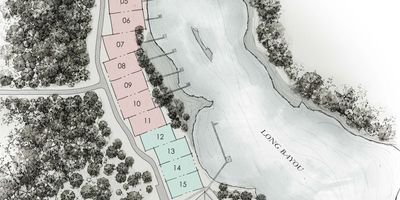
Long Bayou Preserve Orange Beach: New Site Plan & Update
Ask A Question or Sign Up To See New Real Estate Listings Before Your Competition
Enjoy this blog post? Click here to subscribe for updates
Leave A Comment