Questions That Put Ono Island Buyers and Sellers in a Stronger Position

A thoughtful property conversation goes far beyond bedrooms, square footage and a beautiful view. The right questions help reveal how a home, homesite or waterfront property has been built, maintained, improved and experienced.

When I help someone buy or sell on Ono Island, I want the property’s important details brought into the conversation early—while there is time to gather records, ask follow-up questions, obtain professional inspections and make informed decisions.

These questions apply to primary residences, second homes, waterfront homes, investment holdings and vacant land. Not every question will apply to every property, but unanswered questions have a way of becoming last-minute hurdles. A seller who prepares carefully can present the property more confidently. A buyer who asks carefully can evaluate the opportunity with clearer expectations.

I think of this as building a shared record of the property: what is known, what is documented, what should be inspected and what still needs independent verification.

“The goal is not to make a property sound perfect. The goal is to make the information clear enough for everyone to move forward with confidence.”

— Meredith

One set of facts, two useful perspectives

Why these questions matter to both sides

For an Ono Island buyer

Use the answers to decide which inspections, specialists, documents and contract protections may be appropriate. A seller’s answer is a starting point—not a substitute for an inspection, survey, title work, insurance review or other independent due diligence.

For an Ono Island seller

Gather accurate information before the property reaches the market. If an answer is unknown, say that it is unknown. Records, dates, invoices, permits and warranties are far more useful than guesses, and early clarity can reduce surprises after a buyer is under contract.

A practical Alabama note: Disclosure duties can depend on the facts, the parties, the questions asked and the documents. This guide is educational, not legal, engineering, insurance or inspection advice. Buyers and sellers should consult the appropriate licensed professionals for the property and transaction.

The property conversation

Questions to ask—and answers to prepare

I would rather see a detailed question answered early than watch a simple uncertainty grow into a difficult misunderstanding later. These categories create a sensible place to begin.

1. Ownership, occupancy and the property’s history
Ask and document
  • What year was the home built, and is that year consistent across available records?
  • When did the current owner acquire the property?
  • During what dates did the owner or other residents occupy the home full-time or part-time?
  • Has the property been vacant for an extended period or managed as a second home?
  • Has it been rented? If so, what use and rental restrictions apply today?
  • Who has firsthand knowledge of maintenance, storms, repairs and improvements?

Occupancy history gives context. A second home may have fewer hours of everyday use but may also have spent long periods unattended. A long-term owner may have valuable knowledge that does not appear in public records.

2. Survey, boundaries, title, easements and mineral rights
  • Is there a current, accurate boundary survey? When was it prepared, and has anything changed since then?
  • Does the survey show the home, pool, driveway, fences, bulkhead, dock, boathouse and other improvements?
  • Are there encroachments, boundary questions, recorded or unrecorded easements, shared access arrangements or maintenance agreements?
  • Do improvements comply with known setback requirements?
  • Are mineral rights included with the title, previously reserved or otherwise separated from surface ownership?
  • Are there title exceptions or restrictions that deserve closer review?

Buyers should have the title company and, when appropriate, a real estate attorney explain title exceptions and ownership interests. A seller should provide an existing survey as helpful background, but the parties should confirm whether it is suitable for the current transaction.

3. Water supply, irrigation wells and water treatment
  • What supplies potable water to the house?
  • Is there a separate well used for irrigation? If so, where is it located, how old is the pump and is the system operating?
  • Has the property experienced low pressure, discoloration, odor, leaks or other water-quality concerns?
  • Is there a softener, filtration, reverse-osmosis, conditioning or other treatment system? Is it owned or leased?
  • When were filters, tanks, pumps or treatment components last serviced?
  • Are irrigation zones, backflow devices and controls operating properly?

On Ono Island, it is especially useful to distinguish household water service from a separate irrigation well rather than referring to everything simply as “the water system.”

4. Fire-sprinkler and life-safety systems
  • Does the home have a residential fire-sprinkler system?
  • Is it operational, and when was it last inspected or serviced?
  • Is the system supplied by household water, a dedicated tank, pump or another source?
  • Are there inspection tags, plans, warranties or service records?
  • Are smoke alarms, carbon-monoxide alarms and any monitored alarm systems working?

Fire-sprinkler systems should be evaluated by a qualified professional familiar with the installed system. A visual glance at sprinkler heads does not confirm that the entire system is functioning.

5. Heating, air conditioning, ventilation and fuel sources
  • How many HVAC systems serve the home, and what are their ages, fuel sources, capacities and service histories?
  • Is heating electric, propane or another source? Ono Island properties do not have natural-gas utility service, so propane equipment should be identified clearly.
  • Are heating and air conditioning supplied to every finished room?
  • Are all systems operating properly, including thermostats, zoning controls, dehumidification and condensate drains?
  • Are propane tanks owned or leased? What equipment do they serve, and where are the tanks and lines located?
  • Are there rooms, additions or enclosed areas served by mini-splits or separate equipment?
6. Hot water and plumbing
  • Is hot water produced by electric, propane, solar-assisted or another system?
  • Is the system tank-style, tankless, recirculating or a combination? How old is it?
  • Has the property had supply-line, drain-line, sewer, septic, slab or fixture leaks?
  • What supply-pipe materials are present—copper, PEX, CPVC, polybutylene or a mixture?
  • Are there plumbing repairs, repiping records, shutoff locations or recurring drainage concerns?
  • Is the wastewater system public, private, septic or otherwise configured, and what records are available?
  • Are exterior showers, dock water lines, irrigation connections and pool plumbing operating?

Polybutylene is a type of plastic supply piping used in some older homes. Its presence is not something to guess about from a disclosure form; it should be identified by a qualified inspector or plumber, and the buyer should discuss insurability and replacement considerations with the appropriate professionals.

7. Electrical systems, generator and specialty equipment
  • What is the electrical service size, and are panels, subpanels and major components operating properly?
  • Are there known wiring issues, recalled panels, repeated breaker trips or nonfunctional outlets?
  • Were electrical changes permitted and completed by licensed contractors?
  • Is there a standby or portable generator connection? What fuel source, capacity, service history and transferable warranty apply?
  • Are exterior, landscape, dock, boat-lift, pool and irrigation electrical systems functioning?
  • Are there solar panels, batteries, EV charging equipment or smart-home components? Are they owned, financed or leased?
8. Foundation, crawl space, pilings, settlement and moisture
  • What type of foundation supports the home—slab, crawl space, elevated foundation, pilings or a combination?
  • Is there a basement, cellar, crawl space, enclosed lower level or under-house storage area?
  • Has there been settlement, movement, cracking, erosion, scour or repair?
  • Are there leaks, standing water, staining, excessive humidity, mold-like growth or wood decay?
  • Are drainage, vapor barriers, vents, dehumidifiers, sump pumps or encapsulation systems present and operating?
  • Are engineering reports, foundation repairs or transferable warranties available?

Coastal moisture can travel in ways that are not obvious during a quick showing. Buyers should pair seller information with an inspection suited to the home’s foundation and elevation.

9. Roof, attic, leaks and FORTIFIED documentation
  • What is the roof-covering type—standing-seam metal, exposed-fastener metal, shingle, tile, membrane or another material?
  • When was the roof installed, and by whom? Are permits, invoices and warranties available?
  • Has the roof leaked, been patched or sustained storm damage?
  • Is there current or prior evidence of moisture in the attic, ceilings, walls or around penetrations?
  • Is fire-retardant-treated plywood known to be present? If so, where and what supporting documentation exists?
  • Does the home have a FORTIFIED designation? What level, designation date and renewal date apply?
  • Are evaluator reports, photos, certificates and reroof documentation available?

A metal roof and a FORTIFIED designation are not interchangeable descriptions. FORTIFIED is a voluntary resilience program with specific construction, evaluation and documentation requirements. Ask for the actual designation and supporting records rather than relying only on marketing language.

10. Insulation, windows, doors and the building envelope
  • Is insulation present in exterior walls, ceilings, attic areas, floors and other relevant spaces?
  • What type and R-value are known, and were areas added or upgraded?
  • Are there gaps, compressed or moisture-damaged insulation, or unconditioned areas that were later finished?
  • Are windows, exterior doors and garage doors impact-rated or protected by shutters? Is documentation available?
  • Are there known air leaks, condensation problems or recurring humidity concerns?

Records matter. Product labels, invoices, permits and inspection reports can help distinguish a documented feature from an assumption based on appearance.

11. Exterior drainage, grading, gutters and standing water
  • Does water stand on the lot, driveway or beneath the home after heavy rain?
  • Where does roof and surface water flow?
  • Are gutters, downspouts, underground drains, swales, catch basins and pumps operating?
  • Has fill been added or grading changed? Did that work affect adjacent property or drainage paths?
  • Are there erosion, washout, settlement or recurring ponding areas?
  • Has the property needed drainage correction, and are plans or invoices available?

I like to understand a property during ordinary weather and ask what happens during an intense summer storm. A dry showing day cannot answer that question by itself.

12. Flood zone, elevation, water intrusion and insurance history
  • What flood zone is shown on the current map, and has a lender or insurer made a different determination?
  • Is there an elevation certificate, letter of map amendment or other elevation documentation?
  • Has water ever entered the home, garage, enclosure, crawl space or other improvement—from surge, rain, drainage, plumbing or another source?
  • Have flood, wind, roof or water claims been made? What repairs were completed?
  • Are receipts, photographs, permits, remediation records and warranties available?
  • What insurance policies are currently maintained, and what should the buyer independently price before contractual deadlines?

A flood-zone label does not tell the whole story, and a seller’s current premium is not a guaranteed quote for a buyer. I encourage buyers to obtain property-specific insurance guidance early and to review the official FEMA map information alongside elevation and building details.

13. Wood-destroying insects, decay and environmental concerns
  • Are there known active or prior termites, powder-post beetles, wood-decay fungi or other wood-destroying organisms?
  • What damage occurred, where was it located and how was it repaired?
  • Is there a current termite bond or treatment agreement, and is it transferable?
  • Are inspection, treatment and repair records available?
  • Are there known mold, asbestos, lead-based paint or other environmental conditions that require evaluation?

Coastal humidity makes routine observation and maintenance especially important. A current wood-infestation report and full home inspection serve different purposes; one should not automatically be treated as a replacement for the other.

14. Fireplaces, wood stoves and chimneys
  • How many fireplaces, stoves or chimneys are present, and where are they located?
  • Is each unit wood-burning, electric, propane or decorative only?
  • Are they operational, and when were they last inspected, cleaned or serviced?
  • Are propane logs, dampers, vents, flues, caps, flashing and chimney structures in serviceable condition?
  • Have there been leaks, smoke-drafting concerns or repairs?
15. Improvements, additions, permits and contractors
  • What improvements have owners or contractors made, and when?
  • Who performed the work? Are contracts, invoices, permits, plans, inspections and warranties available?
  • Were rooms enclosed, converted or added? Is the represented finished area consistent with permits and records?
  • Were a pool, generator, elevator, dock, lift, seawall, outdoor kitchen, garage, driveway, fence or accessory structure added or altered?
  • Were storm repairs completed after a named event or insurance claim?
  • Are warranties transferable, and do they require action before closing?

“Updated” is not enough detail. Buyers benefit from knowing what changed, who did the work and whether the work was permitted and inspected when required.

16. Zoning, nonconforming uses, setbacks and property restrictions
  • Are there known zoning violations, building-code issues, unresolved permits or notices?
  • Is any structure, use or improvement legally nonconforming?
  • Do the home and improvements meet applicable setbacks and recorded building restrictions?
  • What Ono Island, subdivision, POA, architectural-control or other private restrictions apply?
  • Are there recorded or unrecorded agreements affecting access, maintenance or use?
  • Do current rules allow the buyer’s intended use, renovation, new construction, pool, fence, dock, boat or other plans?

Rules can change, and different units or associations can have additional requirements. Buyers should review the current governing documents and obtain written guidance from the proper authority rather than relying on an old summary or informal recollection.

17. Material defects, latent defects and other structural systems

In practical terms, a material defect is a condition important enough that it could affect a reasonable buyer’s decision, the property’s value, safety or normal use. A latent defect is a condition that exists but is not readily visible or discoverable during an ordinary walk-through. The precise legal meaning and disclosure duty should be evaluated under Alabama law and the particular facts.

  • Are there known material or latent defects affecting the property?
  • Are there defects involving exterior walls, framing, floors, porches, decks, stairs, driveways, retaining features or other structural systems?
  • Has an engineer, architect, contractor, insurer or governmental authority evaluated the condition?
  • What repairs were recommended, completed or deferred?
  • Are reports, photographs, estimates, warranties or monitoring records available?

A seller should not diagnose a condition outside their expertise, but should describe known facts honestly and provide available documentation. A buyer should not assume that a disclosure is an inspection or warranty.

Waterfront deserves its own conversation

Additional questions for Ono Island waterfront property

A waterfront address does not automatically tell me whether a property works for a particular boat or boating lifestyle. I want to understand the shoreline, structures, waterway and route—not simply admire the dock.

Shoreline and bulkhead

Age, materials, ownership, repairs, tie-backs, caps, erosion, storm damage, permits and future maintenance.

Dock and boathouse

Permits, plans, dimensions, age, condition, roof, pilings, decking, electrical service, water, insurance and repair history.

Boat lift and slips

Lift capacity, cradle configuration, service history, motors, controls, slip dimensions and whether they fit the buyer’s current or anticipated vessel.

Depth and navigation

Observed depth at the dock, tide and measurement conditions, canal or shoreline changes, dredging history, bridge clearance, no-wake areas and route to open water.

Associations and shared obligations

Canal, harbor, pier or other association membership; assessments; maintenance responsibilities; dredging participation; access rights and shared facilities.

Storm exposure and recovery

Prior surge, wave, wind or debris damage; post-storm inspections; repairs; shoreline changes; claims; and improvements made afterward.

My three practical boat tests

Air-Draft: Can the boat clear every bridge and overhead constraint?   Dock-to-Gulf: Does the depth and route work from the property to Perdido Pass?   Return-Trip: Will tide, current, wind and the return route still work after a day on the water? Conditions change, so measurements and route observations should be treated as time-specific—not guarantees.

Vacant land and future plans

Questions to ask before buying an Ono Island homesite

A beautiful lot is not automatically a ready-to-build lot. Before evaluating price alone, I want to understand the buildable envelope, water movement, soils, elevation, utilities and the approval path for the buyer’s plans.

Survey and buildable area

Boundary, topography, setbacks, easements, rights-of-way, existing improvements and the realistic footprint after every restriction is applied.

Flood and elevation

Current flood-zone information, natural grades, proposed finished-floor elevation, fill strategy and how neighboring drainage may affect the site.

Wetlands and soils

Wetland delineation, geotechnical evaluation, bearing conditions, groundwater, foundation recommendations and whether further environmental review is appropriate.

Utilities and wastewater

Availability and location of water, power, internet, propane, irrigation options and the applicable wastewater solution and approvals.

Plans and architectural review

Current minimums, design standards, height and lot-coverage considerations, submittal requirements, fees and the likely review timeline.

Waterfront feasibility

Shoreline work, dock or boathouse eligibility, agency approvals, water depth, navigation, bridge constraints, dredging and construction access.

Trees, clearing and drainage

Tree-removal limitations, protected areas, proposed grading, stormwater planning, material storage and impacts on neighboring properties.

Cost beyond the land

Site work, fill, foundation, utilities, mitigation, shoreline work, professional reports, permits, association charges and insurance during construction.

Seller preparation

The Ono Island property file I would begin assembling

A clean property file helps me answer buyer questions with facts. It can also reveal missing documents early enough to request replacements.

Ownership and site records

Deed, current survey, title information, elevation certificate, flood documents, restrictions, easements and association records.

Construction and improvements

Plans, permits, certificates of occupancy, contractor names, invoices, warranties and dates for additions or major work.

Roof and resilience

Roof invoice and warranty, FORTIFIED designation and evaluator records, window and door documentation, shutters and storm-repair records.

Major systems

HVAC, water heater, plumbing, electrical, generator, propane, elevator, fire sprinkler, irrigation, well and treatment-system records.

Moisture, pests and repairs

Termite bond, inspections, remediation reports, foundation or drainage evaluations, leak repairs and transferable warranties.

Waterfront improvements

Dock, lift, boathouse and bulkhead permits; engineering or plans; invoices; surveys; electrical work; repairs and association information.

Tip: If a document is missing, do not recreate a history from memory and present it as fact. Label estimates as estimates, identify the source and let the appropriate professional verify the condition.

My perspective

A good transaction can tolerate an honest answer

A house does not need to be new to be valuable. A waterfront structure does not need to be flawless to be useful. A vacant lot does not need to be effortless to become a wonderful homesite. But buyers need enough reliable information to understand what they are purchasing, and sellers benefit when important facts are addressed before expectations harden.

If the answer is “I do not know,” that is still an answer—and it tells us what should be researched or inspected next. If the answer involves a past repair, I want to see the invoice, permit, photograph or report when available. If the question requires engineering, legal, insurance, environmental or construction expertise, I want the right professional involved.

That is how I help keep an Ono Island transaction grounded: thoughtful questions, careful documentation and clear next steps.

Local guidance, property by property

Buying or selling on Ono Island?

I live on Ono Island and help buyers and sellers evaluate the details that can shape value, insurability, boating use, construction plans and a smoother closing. I would be glad to help you organize the right questions for your property.

Email MeredithSearch the Gulf
Text Meredith at xxx-xxx-xxxx or call Meredith

Helpful official references

Information and governing documents should be confirmed for the specific property and transaction. This page is educational and is not a substitute for legal advice, inspections, surveys, title work, engineering, insurance guidance or review by governmental and association authorities.

Contact Meredith Amon Gulf Coast Realtor #searchthegulf #meredithamon #becausewelivehere

Ono Island Homes & Land for Sale – Luxury Waterfront Real Estate in Orange Beach Alabama

Meredith Amon Gulf CoastNew Construction Meredith Amon Gulf CoastNew Construction
Ono Harbour at Sunset | My Sanctuary on Ono Island
Meredith Folger Amon
By Meredith Folger Amon | September 21, 2026

Ono Harbour at Sunset | My Sanctuary on Ono Island


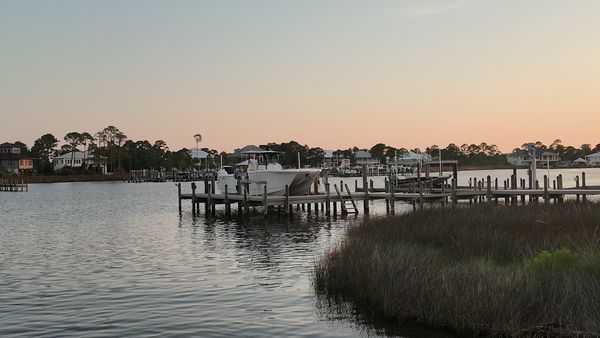
Ono Harbour · Ono Island Ono Harbour at Sunset Salt air. Marsh grass. Pretty boats on still water. Soft peach light over the harbour—my sanctuary on Ono Island, so close to Orange Beach.
Ono Harbour Homes Walking the Dock A Favorite Corner of the Island Ono Harbour is one of my…

Mobile Big Game Fishing Club Tournament Orange Beach
Meredith Folger Amon
By Meredith Folger Amon | September 9, 2026

2026 MBGFC Labor Day Invitational | Orange Beach | Search The Gulf

Parasailing Over Orange Beach With Sky Surfer
Meredith Folger Amon
By Meredith Folger Amon | September 7, 2026

Parasailing Over Orange Beach With Sky Surfer

Cotton Bayou Marina Boats | Orange Beach Near Terry Cove
Meredith Folger Amon
By Meredith Folger Amon | September 6, 2026

Cotton Bayou Marina Boats | Orange Beach Near Terry Cove

Signup is free and takes only a few seconds

Ask A Question or Sign Up To See New Real Estate Listings Before Your Competition

When it comes to finding the home of your dreams in a fast-paced market, knowing about new listings as soon as they are available is part of our competitive advantage.Sign up to see new listings in an area or specific community. Contact Meredith with any questions you may have.

Provide a valid email address.
Newsletter consent