
The Search the Gulf Dock-to-Gulf Series
How to Calculate Your Ono Island Boating Radius
A local framework for understanding how far—and how easily—you can travel from an Ono Island waterfront home by boat.
By Meredith | Ono Island Homeowner & Gulf Coast Real Estate Advisor
When buyers ask me how close an Ono Island home is to the Gulf, the most accurate answer is not always a number of miles. A property may look close to Perdido Pass on a map, yet its everyday boating experience can be influenced by canal navigation, no-wake areas, current, dock configuration, vessel type and the route required to reach open water.
That is why I encourage buyers to calculate what I call their Ono Island boating radius: the practical area they can comfortably reach from a particular home within the time, fuel, vessel and conditions that fit the way they actually intend to boat.
Your boating radius is not simply a circle drawn around a dock. It is a living measurement of access—one that begins at the back door, follows the full house-to-helm sequence and accounts for the return home.
“The best boating radius is not necessarily the largest one. It is the one that makes the places you love to visit feel comfortably within reach.”
— Meredith
What Is an Ono Island Boating Radius?
An Ono Island boating radius is the collection of destinations that can be reached comfortably from a waterfront property under the owner’s preferred boating conditions.
Rather than measuring only straight-line distance, the calculation considers:
- The property’s actual navigable route
- The vessel’s realistic cruising speed
- Idle-speed and no-wake portions of the trip
- Typical wind, current and tide conditions
- Fuel capacity and the captain’s preferred reserve
- The time required to leave and secure the dock
- The return route and unloading sequence
- The owner’s comfort level, boating experience and intended use
The result is more useful than a simple mileage figure because it reflects the way the property functions as a base for real boating life.
From the Dock-to-Gulf Series
Begin with the Ono Island Dock-to-Gulf Test to evaluate the complete journey from a home’s back door to Perdido Pass.
Then consider The Ono Island Return-Trip Test to understand what happens when the boat comes home.
The Ono Island Boating-Radius Formula
A preliminary boating radius can be calculated with a simple time-and-distance formula:
Preliminary Boating Radius
Available One-Way Travel Time × Realistic Average Speed
Adjusted for idle zones, route conditions, fuel reserve and return-trip requirements
The important phrase is realistic average speed. A boat’s advertised cruising speed is not necessarily the speed it will average from the dock to the destination. Portions of the trip may require idling, careful maneuvering or reduced speed because of traffic, visibility, water depth or weather.
A Simple Example
Imagine that a homeowner prefers destinations that can be reached within approximately 45 minutes. The boat may cruise efficiently in open water, but the trip also includes several minutes of careful departure, idle-speed navigation and docking at the destination.
Instead of multiplying 45 minutes by the vessel’s maximum speed, I would separate the trip into segments:
| Route Segment | What to Measure |
|---|---|
| House to helm | Time to load, lower or uncover the boat and leave the dock |
| Protected or confined water | Canal, harbor or narrow-water travel at a controlled speed |
| Open-water run | Realistic cruising speed in normal conditions |
| Destination approach | Idle time, marina entry, anchoring or destination docking |
| Return allowance | Wind, current, traffic, fuel and daylight margin |
This produces a much more meaningful estimate of where the boat can go comfortably—and whether the trip still feels enjoyable after a full day on the water.
Step 1: Define the Way You Actually Boat
Before evaluating a waterfront home, I like to begin with lifestyle rather than mileage. Two buyers can stand on the same dock and envision entirely different boating radii.
One may want easy sunset cruises, waterfront dining and relaxed weekend outings. Another may prioritize early offshore departures, fishing the Gulf, reaching favorite anchorages or regularly traveling with a larger sportfishing yacht.
Consider:
- Where do you expect to boat most often?
- How many hours do you prefer to spend underway?
- Will you boat primarily during the day, at sunset or before sunrise?
- Will the boat be used for fishing, dining, island outings, cruising or water sports?
- How frequently will children, guests or pets travel with you?
- What wind and water conditions are within your comfort level?
These answers establish your preferred time radius before the first route is measured.
Step 2: Trace the Actual Water Route
Straight-line distance can be misleading on Ono Island. The correct calculation follows the boat’s actual path from the dock through the surrounding waterways and toward the intended destination.
Depending on the property, that route may begin along a canal, Ole River, Bayou St. John or the Intracoastal Waterway. Each setting offers a distinct starting point and boating experience.
Ole River
Evaluate the property’s position along the river, nearby traffic and its route toward Perdido Pass.
Explore Ole River homes →Bayou St. John
Consider the open-water setting, exposure, property orientation and route around the island.
Explore Bayou St. John homes →Intracoastal Waterway
Review vessel traffic, wakes, current, open-water exposure and east-west connectivity.
Explore ICW homes →Canal-Front
Measure the full canal route, turning room, depth, dock fit and transition into larger water.
Explore canal-front homes →Waterfront category alone does not determine the experience. Two homes on the same body of water can have different departure times because of dock orientation, neighboring structures, channel position, water depth and the ease of getting the vessel underway.
Step 3: Calculate the True Departure Sequence
I use the phrase true departure sequence to describe everything that happens between deciding to go boating and reaching navigable water.
That sequence may include:
- Moving coolers, gear and supplies from the house
- Removing a cover or lowering the vessel
- Disconnecting power or freshwater service
- Handling dock lines and fenders
- Backing out of the slip or lift
- Turning the boat toward the navigable route
- Traveling through any controlled-speed water
A thoughtful dock layout can make a meaningful difference. Direct access from the house, well-positioned utilities, adequate lighting and convenient storage may shorten the departure sequence and expand the homeowner’s practical boating radius—even though the dock itself has not moved.
Step 4: Match the Radius to the Vessel
An Ono Island boating radius is vessel-specific. A center console, bay boat, pontoon, sailboat and sportfishing yacht will not experience the same route in the same way.
The calculation should account for:
- Overall length and beam
- Draft and required operating depth
- Height and overhead clearance
- Cruising speed and efficient operating range
- Fuel capacity and preferred reserve
- Turning radius and close-quarters handling
- Windage and sensitivity to current
- Lift capacity, bunk placement and slip fit
This is why I evaluate vessel fit in three dimensions: length, width and height. I also consider weight, draft, turning room and the way the hull aligns with the existing lift.
A waterfront home should be evaluated for the boat a buyer owns today and, when appropriate, the boat they may want to own several years from now.
Step 5: Add a Weather, Tide and Current Margin
Boating conditions are not fixed. A route that feels effortless on a calm morning may feel very different when the afternoon wind builds, vessel traffic increases or current becomes more noticeable.
I recommend calculating at least two versions of the route:
The Fair-Weather Radius
The practical range during favorable wind, water, visibility and traffic conditions.
The Conservative Radius
The range that remains comfortable when conditions require slower travel, greater fuel reserve or additional daylight.
The conservative radius is often the more revealing figure because it helps buyers understand whether favorite destinations will remain enjoyable under ordinary, less-than-perfect conditions.
Step 6: Apply the Return-Trip Test
A destination should not be considered comfortably within your boating radius until the return trip has also been evaluated.
The return may include a different wind direction, increased traffic, fading daylight, tired passengers and a boat filled with wet gear. Once home, the captain still has to approach the dock, secure the vessel, operate the lift, unload supplies and complete washdown.
Ask:
- Is the dock easy to identify and approach after sunset?
- How do the afternoon wind and current affect the approach?
- Which piling typically receives the first line?
- Can passengers unload safely and comfortably?
- Is freshwater positioned conveniently for washdown?
- Where do wet towels, fishing gear and coolers go?
- Is there a direct path from the dock to storage, a utility room, outdoor shower or kitchen?
A home with a shorter, simpler return sequence may support a larger practical boating radius because coming home does not feel like an additional project.

Build a Personal Destination List
Once the route has been measured, I suggest creating a destination list based on how frequently each place is likely to be visited.
| Radius Category | How It May Be Used | Buyer Question |
|---|---|---|
| Everyday Radius | Short cruises, nearby dining, sunset outings and spontaneous trips | Would we take this trip on an ordinary weekday? |
| Weekend Radius | Longer day trips, fishing outings and destinations requiring more planning | Does the total travel time still leave enough time to enjoy the destination? |
| Adventure Radius | Occasional extended trips requiring careful weather, fuel and daylight planning | Is this a comfortable outing or a special expedition? |
This exercise helps separate destinations that are technically reachable from those that will genuinely become part of the homeowner’s boating life.
The Search the Gulf Boating-Radius Worksheet
Record for Each Property
- Waterfront setting and dock location
- Distance along the actual navigable route
- House-to-helm preparation time
- Idle-speed or controlled-speed travel time
- Open-water cruising time
- Typical destination-approach time
- Total fair-weather travel time
- Total conservative travel time
- Estimated fuel use and reserve
- Vessel fit, draft and clearance considerations
- Return-trip difficulty
- Dock-to-house unloading and washdown sequence
Why the Boating-Radius Story Matters to Sellers
Sellers often possess valuable boating knowledge that cannot be understood from listing photographs alone. They know how long it typically takes to reach larger water, how the dock performs in an afternoon breeze and which destinations have become part of the property’s regular rhythm.
Those details can help transform a list of waterfront features into a complete boating story.
A Seller’s Boating-Radius Details
- The usual route from the dock to larger water
- Favorite nearby boating destinations
- Typical travel times in normal conditions
- Commonly used vessels and their dimensions
- Preferred departure and return procedures
- Wind, current and traffic observations
- Dock, lift, utility and storage improvements
- Features that make spontaneous boating easier
Documented accurately, this information helps a buyer understand not only where the property is located, but where life from that property can lead by water.
Meredith’s Ono Island Insider Tip
Do not calculate a boating radius from a map alone. Stand at the dock, trace the navigable route and picture the complete outing—from loading the first cooler to securing the final line when you return home.
Verify Before You Buy
Boating routes and waterfront conditions can change. Buyers should independently verify water depth, channel conditions, bridge and overhead clearances, dock and lift specifications, permitting, navigation restrictions and vessel suitability during due diligence.
Measurements should be taken at the relevant locations and under documented tide and weather conditions. When necessary, buyers should consult qualified marine contractors, surveyors, lift professionals, local authorities and experienced captains.
Finding the Right Ono Island Waterfront Home
As an Ono Island homeowner and Gulf Coast real estate advisor, I look beyond the presence of a dock or boat lift. I want to understand how the entire property supports the owner’s boating life: the vessel fit, departure sequence, navigable route, favorite destinations and experience of coming home.
When those pieces work together, the waterfront becomes more than a view. It becomes a genuine point of departure.
If you are comparing Ono Island waterfront homes, I would be happy to help you evaluate the property, dock and boating radius together. You can explore Ono Island and Gulf Coast real estate through SearchTheGulf.com , the Gulf Coast’s premier website for searching real estate listings.
Ono Island Waterfront Real Estate
Connect with Meredith
Local knowledge for buying, selling and understanding waterfront property on Ono Island.
This article is intended for general informational purposes. Water depth, routes, travel times, conditions, regulations, dock specifications and vessel suitability should be independently verified. Actual boating conditions vary with tide, weather, traffic, maintenance, vessel characteristics and operator experience.
Ono Island
Storm Prep on Ono Island — Watching Tropical Weather for Friday
A tropical system could reach the coast this Friday. Nothing is locked in yet—and on Ono, we do not wait for a last-minute scramble.
When it comes to finding the home of your dreams in a fast-paced market, knowing about new listings as soon as they are available is part of our competitive advantage.Sign up to see new listings in an area or specific community. Contact Meredith with any questions you may have.
#searchthegulf #becausewelivehere SEARCH ORANGE BEACH REAL ESTATE LISTINGS FOR SALE
Ono Island Homes & Land for Sale – Luxury Waterfront Real Estate in Orange Beach Alabama
Search Coastal Alabama Homes and Real Estate For Sale

.gif)

Storm Prep on Ono Island — Watching Tropical Weather for Friday | Search The Gulf
Ono Landing Launch vs Dock
On this page
Watching Friday’s weather
Boat launch…
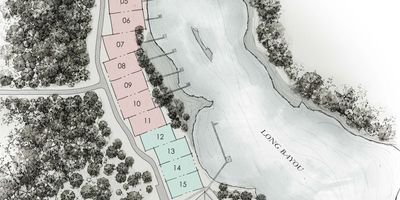
Long Bayou Preserve Orange Beach: New Site Plan & Update
Ask A Question or Sign Up To See New Real Estate Listings Before Your Competition





Enjoy this blog post? Click here to subscribe for updates
Leave A Comment